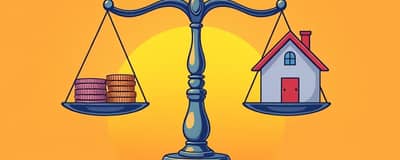
Every financial journey often begins with a single decision about debt. Whether you’re funding a home, education, car, or unexpected emergencies, choosing the right loan can shape your future. This guide dives deep into the world of borrowing, helping you understand how loans work, what options are available, and how to make empowered choices that align with your goals.
Introduction to Loans
Loans can be powerful tools when used responsibly, providing funds for critical life events. At their core, a loan transfers money from a lender to a borrower under a promise to repay with interest. Key terms to know include APR (annual percentage rate), which reflects the total cost of borrowing including fees, and the interest rate that determines how much you pay on the principal balance.
Collateral is an asset pledged against a secured loan, lowering risk and potentially offering more favorable interest rates. Unsecured loans, by contrast, rely on creditworthiness alone, often carrying higher APRs and stricter requirements. Understanding the differences between fixed and variable rates, and factors like origination fees and prepayment penalties, is essential for informed borrowing decisions.
Major Loan Types
There are numerous loan types, each designed to serve specific needs. Choosing wisely means matching the option to your situation, credit profile, and long-term plan. Below, we cover the most common categories, exploring their uses, eligibility requirements, and potential pitfalls.
Personal Loans come in both unsecured and secured forms, ideal for debt consolidation, home improvements, weddings, and emergencies. With terms ranging from two to seven years, borrowers enjoy fixed monthly payments that aid budgeting. Typical APRs range from 6.49% for top credit ratings to over 30% for lower scores. Watch out for origination fees and balance transfer costs when consolidating debt.
Auto Loans are secured by the vehicle, offering lower rates than unsecured loans. Financing terms span three to seven years, and you can often negotiate invoices through lenders tied to dealerships. While longer terms reduce payments, they may increase total interest paid. Make sure to compare manufacturer incentives against bank offers.
Student Loans include federal options—subsidized loans with government-paid interest in school, and unsubsidized loans where interest accrues immediately—and private alternatives. Federal loans don’t require credit checks and offer income-driven repayment and forgiveness programs, making them the preferred choice for most students. Private student loans fill funding gaps but typically carry higher APRs and need a cosigner.
Mortgage Loans enable home ownership through conventional, jumbo, and adjustable rate mortgages. The 30-year fixed mortgage averaged 6.096% on February 5, 2026, with 15-year fixed averaging 5.774%. Conventional conforming loans cap at $548,250, while jumbo loans exceed that limit and require stronger financial profiles. Consider using APR comparisons for accurate cost insights.
Home Equity Loans and HELOCs let you borrow against accumulated home equity. A lump-sum home equity loan provides predictable payments, while a HELOC functions like a credit line. Funds are commonly used for renovations, education, or debt consolidation. Be mindful of potential rate adjustments on a HELOC, and avoid tapping all equity to maintain borrowing capacity.
Debt Consolidation Loans help you replace high-interest credit card and personal loans with a single payment at a lower APR. Simplifying repayments can reduce stress and improve credit utilization, but ensure new rates and fees deliver true savings over existing balances.
Credit-Builder Loans are designed for individuals with limited credit history. The lender holds borrowed funds in a savings account while you make payments, building credit without risk of overspending. When the loan term ends, funds are released, and you have an established credit line.
Payday Loans offer fast cash for emergencies but carry extremely high interest rates and short terms, making them one of the most costly borrowing methods. Alternatives like small-dollar personal loans or community assistance programs are typically better choices.
Government-Supported Mortgages such as FHA, VA, and USDA loans provide lower down payment requirements and more lenient credit qualifications. FHA loans allow down payments as low as 3.5%, VA loans are exclusive to veterans, and USDA loans support low-income rural buyers. Explore state and local first-time homebuyer programs for additional assistance.
Other options include small business loans, secured credit cards, cosigned personal loans, and innovative alternatives like ZestPay to replace predatory payday loans. Always compare rates, terms, and fees before committing.
Summary Table of Major Loan Types
Here’s a quick reference to compare essential details:
Current Rates and Trends
As of February 2026, mortgage rates remain in the low 6% range, slightly higher than last month but still historically moderate. Personal loan APRs start below 7% for borrowers with strong credit profiles. Refinance rates for a 30-year mortgage average 6.356%, and 15-year refinances sit around 5.774%. ARM products offer introductory rates near 5.95%, rising with market indices. Always shop APR not rate to capture all costs, since a 0.25% APR difference on $300,000 can save over $20,000 in interest.
Government-Backed Loan Options
Federal and state agencies back several loan programs to increase accessibility. FHA loans reduce down payment requirements for first-time buyers, while VA loans offer zero-down terms for qualifying veterans. USDA mortgages target rural and suburban families with income-based eligibility. Additional programs at the state and local level may provide grants, forgivable loans, or subsidized rates for educators, healthcare workers, and municipal employees.
Choosing the Right Loan
Selecting the optimal loan involves balancing cost, term length, and risk. Key factors include credit score, debt-to-income ratio, collateral, and your comfort with variable versus fixed rates. Some borrowers prioritize the lowest possible payment, while others focus on minimizing total interest paid over the life of the loan.
- Assess your current credit score and history
- Evaluate your debt-to-income ratio to qualify
- Compare APRs to understand total borrowing cost
- Consider whether collateral is required
- Match term length with your financial goals
- Review fee structures and prepayment penalties
Mortgage Specifics
Mortgages represent one of the largest financial commitments most individuals make. A 30-year fixed mortgage offers stability with level payments, while a 15-year term accelerates equity building and can save thousands in interest. Adjustable-rate mortgages begin with lower introductory rates but carry uncertainty due to market fluctuations. For example, a $300,000 loan at 7% interest yields payments of about $2,400, whereas 6.75% rates reduce that to roughly $2,340 monthly—translating into over $20,000 in lifetime savings.
Alternatives and Warnings
Not every financing solution is right for every situation. High-cost products should be approached with caution, and alternatives exist for those with less robust credit. Before borrowing, consider all implications and practice responsible credit use to avoid long-term financial strain.
- Avoid high-cost payday loans whenever possible
- Use credit cards responsibly to prevent revolving debt
- Watch out for balloon or variable-rate loan structures
- Build or improve credit before pursuing large loans
Conclusion
Understanding the vast landscape of loans empowers you to make choices that support your goals rather than hinder them. By familiarizing yourself with terms like APR, collateral requirements, and repayment structures, you can confidently compare options, avoid pitfalls, and choose borrowing solutions that pave the way for greater financial stability and success.