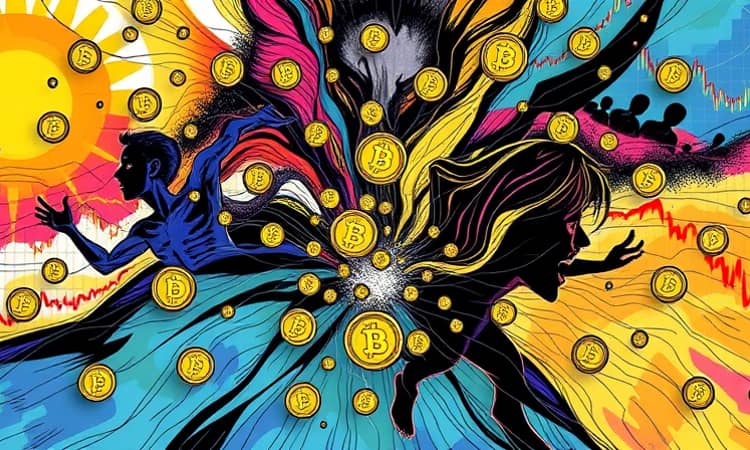
The world of cryptocurrency is as much a battle of emotions as it is a contest of technology and strategy. Understanding the psychological forces at play can transform volatile swings into actionable insights.
Understanding Market Psychology in Crypto
Traditional economic theories assume rational actors who make decisions based purely on data. In reality, collective investor emotions and behaviors often dictate market movements more than fundamentals.
Within the crypto ecosystem, behavioral elements such as loss aversion, regret, herding instincts, and overconfidence are magnified, creating rapid swings and unpredictable rallies.
The Dynamics of Fear in Crypto Markets
Fear emerges when traders perceive threats to their capital—yet in crypto, it can surface almost instantly after a sudden price drop or security breach. These events can trigger sudden price drops and breaches that ripple through the market.
Panic selling is a prime example of fear at work. When losses mount quickly, investors may abandon long-term strategies in moments, locking in losses and exacerbating downward spirals.
Extended sideways phases—periods of consolidation—can also test confidence. During these stretches, sentiment weakens, participation shrinks, and skepticism lingers for weeks or even months.
The Surge of Greed and Its Traps
Greed grips markets during sustained uptrends, dulling rational thought and prompting aggressive buying. As prices climb, the chasing rapid price increases phenomenon takes hold.
Fear of Missing Out, or FOMO, drives many investors to pile into assets already on steep ascents. This often leads to overlooking underlying risk assessment, as the hope of outsized gains overrides caution.
- Speculative trading in altcoins and meme tokens
- Piling into parabolic price runs without analysis
- Ignoring stop-loss strategies in the heat of euphoria
Why Crypto Markets Amplify Emotions
One of the defining characteristics of crypto is its continuous global market operation. Unlike traditional exchanges, crypto never sleeps, so news and rumors can ignite reactions around the clock.
High leverage options allow traders to amplify positions dramatically. While this can magnify profit, it also fuels a relentless cycle of greed and fear, as small price changes trigger large liquidations.
- Round-the-clock trading intensifies sentiment shifts
- Elevated leverage increases both gains and panic
- Social media spreads narratives instantly
The Fear and Greed Index Explained
Developed to measure market sentiment on a scale from 0 to 100, the Fear and Greed Index condenses diverse factors—volatility, volume, social media sentiment—into one gauge. It condenses investor sentiment into number that reflects prevailing emotions.
While the index itself does not predict prices, it can signal when sentiment extremes may offer opportunities or warnings.
To avoid false signals, it is wise to combine the index with multiple factors such as trend analysis, on-chain data, and fundamental research.
Practical Strategies for Investors
Awareness of fear and greed phases enables strategic positioning. When the market leans toward extreme fear, valuations may be depressed, offering identify potential buying or selling opportunities for disciplined investors.
- Monitor the Fear and Greed Index regularly
- Set clear stop-loss and take-profit levels
- Diversify across assets and timeframes
- Maintain an emotion-tracking journal for trades
By cultivating emotional control through mindful trading practices, you can reduce costly mistakes and stay aligned with long-term goals.
Transforming Emotion into Advantage
Rather than being buffeted by fear and greed, savvy investors learn to read these emotional signals and incorporate them into a disciplined plan. Understanding when masses are fearful or euphoric can offer a contrarian edge.
Armed with this knowledge, you don’t have to be a prisoner of market swings. Instead, you can transform emotional insight into strategic advantage, turning volatility into a ladder toward your financial aspirations.
Embrace the psychological undercurrents of crypto markets, and you’ll find that fear and greed, when respected and harnessed, become tools in your investment toolkit rather than adversaries to overcome.