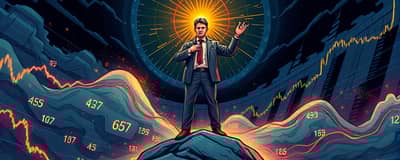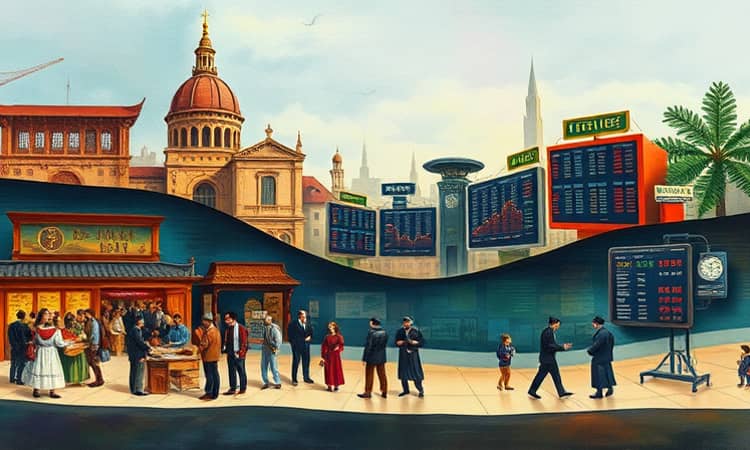
Markets are living archives, bearing the scars of triumph and collapse. From the cobblestone streets of 16th-century London to the glowing terminals of today’s trading floors, each era leaves lessons that echo across centuries. Understanding this heritage is not mere academic curiosity—it is a way to arm ourselves with perspective, the first purpose-built center for merchants in 1571 or the computerized sell-offs of 1987 alike. By exploring these milestones, investors can cultivate resilience and wisdom in the face of uncertainty.
Why History Matters to Investors
Financial history offers more than dates and dramas—it reveals cyclical patterns of euphoria and despair. When the Dutch East India Company pioneered shares, dividends, and a structured exchange in Amsterdam, it established principles still guiding markets today. Similarly, the Buttonwood Agreement of 1792 laid a foundation of trust and rules, anchoring what would become Wall Street. By tracing these roots, modern investors learn to interpret market signals with humility and avoid repeating past mistakes.
Memory in markets acts as an invisible hand—sometimes tempering risks, sometimes inflaming greed. Recognizing that booms often sow the seeds of busts can inspire caution and strategic planning. Ultimately, viewing today’s portfolios against the backdrop of centuries of data fosters a mindset that values long-term stability over fleeting gains.
Charting the Highs and Lows of Market Bubbles
History is punctuated by spectacular bubbles: extravagant optimism followed by abrupt collapse. From the South Sea Bubble of 1720 to the Dot-Com crash of 2000, these events offer cautionary tales about speculation's seductive pull. Examining pivotal crises helps identify warning signs and craft risk management strategies.
These episodes share common threads: unchecked leverage, herd mentality, and the allure of quick profits. When investors chase narratives rather than fundamentals, valuations disconnect from reality, setting the stage for dramatic reversals.
Technological Innovations and Market Evolution
Advances in technology have reshaped how markets function. In 1865, the Chicago Board of Trade transformed forward contracts into futures—one of the world’s oldest futures exchanges—offering farmers and merchants tools to hedge risk. A century later, telegraph and ticker tape accelerated information flow, knitting global markets ever closer.
By 1987, a computerized program started executing automated sell orders, triggering unprecedented volatility on Black Monday. Electronic trading platforms now process millions of transactions per second, democratizing access but also amplifying systemic risks. Understanding these shifts helps investors balance the advantages of speed with the timeless virtues of due diligence and patience.
Applying Historical Lessons Today
While technology and markets evolve, core principles remain constant. By internalizing history’s teachings, investors can navigate modern uncertainties with greater confidence and discipline.
- Embrace diversification to spread risk and avoid concentrated losses.
- Maintain adequate liquidity to withstand sudden market dislocations.
- Monitor valuations—recognize when prices detach from fundamentals.
- Adopt long-term perspectives to ride out inevitable downturns.
- Stay informed but resist emotional decision-making under pressure.
Embracing the Market's Memory for Future Growth
As new chapters unfold—from cryptocurrency innovations to artificial intelligence trading—history remains our most reliable mentor. Every rally and rout writes a new verse in the market’s collective memory, urging us to adapt without forgetting.
By weaving past experiences into present strategies, investors build a bridge to sustainable success. Let the echoes of Amsterdam’s bustling exchanges, the panic of 1907’s banking failures, and the lessons of the dot-com era guide your journey. In the end, markets reward those who learn from history, respect risk, and cultivate patience.
A sudden financial panic that nearly collapsed systems in 1907 reminds us: preparedness and wisdom are timeless assets. Embrace the market’s memory, and you’ll face tomorrow’s uncertainties not as a stranger, but as a well-informed navigator of financial seas.