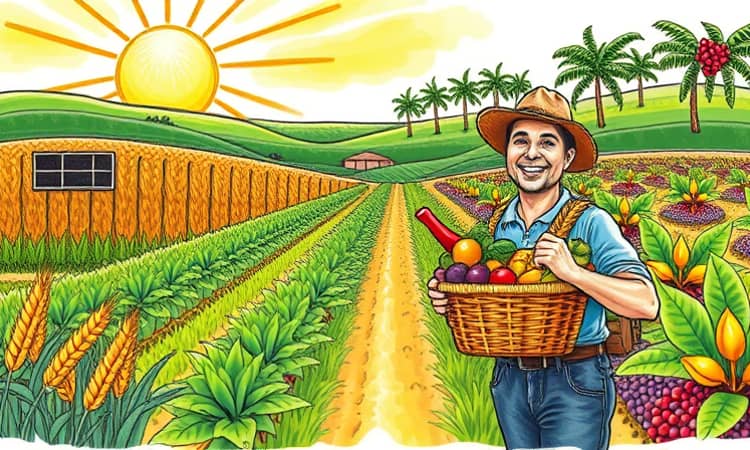
In fields across the globe, a quiet revolution is taking place. Farmers who once barely scraped by on subsistence yields are now harnessing the power of cash crops to build thriving livelihoods. By focusing on market-oriented production, they transform modest plots into engines of prosperity, unlocking opportunities for themselves and their communities.
From Subsistence to Market Success
For centuries, agriculture revolved around feeding families and livestock. Subsistence farming prioritized survival over profit, with every meal provided by the land. The shift toward cash cropping began as resourceful growers planted extra rows of commodities to sell beyond their own needs. This simple innovation provided a lifeline, offering families the means to pay debts, invest in seeds, and send children to school.
By the late 19th century, surplus for sale and profit became a common strategy for enterprising farmers. As transportation networks expanded and global markets emerged, cash crops evolved from a supplemental tactic into a fundamental pillar of rural economies. Today, nearly every cultivated acre in developed nations produces crops destined for market, fueling industries and trade.
Yet the story is not confined to large estates. Smallholders in developing regions are increasingly tapping into international demand, growing specialty produce like coffee, cocoa, and fruits. These communities find that strategic cultivation of high-value crops can break cycles of poverty and spark broader economic growth.
The Economic Ripple Effect
Cash crops are more than mere commodities; they are catalysts for community development. When farmers receive fair returns, they channel profits into local businesses, schools, and services, creating a virtuous cycle of growth. This thriving local economies through trade phenomenon underscores how agricultural success extends far beyond the field.
- Job creation in processing and transportation sectors
- Increased access to finance and credit facilities
- Investment in infrastructure like roads and irrigation
- Innovation in agricultural practices and technology adoption
- Enhanced food security through diversified income streams
Leading Cash Crops Around the World
Crops chosen for profit vary with climate, soil, and market trends. Grains like wheat and maize dominate in temperate zones, while tropical climates favor sugarcane and coffee. To illustrate these dynamics, consider this snapshot of global cash crop categories:
Profitable Opportunities and Niche Markets
Beyond staples, niche cash crops can deliver impressive margins. Crops like opium poppy and marijuana, while controversial, illustrate the power of scarcity and demand. More sustainable niches include herbs, medicinal plants, and aromatic flowers. Farmers able to navigate regulations and quality standards often reap premium prices in specialty markets.
Embracing strategic cultivation unlocks new opportunities allows farmers to pioneer lucrative markets and stand out in competitive landscapes.
Consider these breakthrough niches:
- Lavender and essential oil crops for cosmetics
- Heirloom tomatoes and peppers for gourmet markets
- Culinary herbs like basil, thyme, and rosemary
- Organic superfoods such as quinoa and chia
Managing Risks and Ensuring Sustainability
While the rewards can be great, cash cropping carries inherent risks. Monocropping may deplete soils, and fluctuating prices can erode profits. Pest outbreaks and climate extremes pose additional threats. Savvy farmers adopt diversification to spread market risk and implement practices like crop rotation to preserve fertility.
- Rotate crops annually to improve soil health
- Intercrop with legumes for natural nitrogen fixation
- Join cooperatives to gain bargaining power
- Use micro-dosing of fertilizers to reduce costs
- Monitor market trends and lock in prices with futures
By blending innovation with tradition, growers protect their land and livelihoods, ensuring that profits today do not compromise tomorrow.
Practical Steps to Launch Your Cash Crop Venture
Embarking on a cash crop journey begins with thorough planning. Assess your resources—land, labor, capital—and research viable crops for your region. Build a detailed budget that covers inputs, labor, and marketing expenses. Identify buyers early, whether local cooperatives, exporters, or direct consumers.
- Conduct soil tests to match crops to fertility levels
- Create a crop calendar aligned with planting seasons
- Explore government grants and microloans for start-up capital
- Develop relationships with buyers and establish contracts
- Invest in training on sustainable and precision farming
Continuous learning and adaptation remain key. Attend workshops, connect with agricultural extension services, and engage with peer networks to refine your approach over time.
Empowerment Through Cash Crops
Cash crops offer a pathway to resilience and prosperity, empowering farmers to shape their futures. With strategic planning, risk management, and sustainable practices, anyone with a patch of fertile land can cultivate both crops and community transformation. By viewing agriculture as a dynamic enterprise rather than mere subsistence, you plant the seeds for lasting wealth—one harvest at a time.