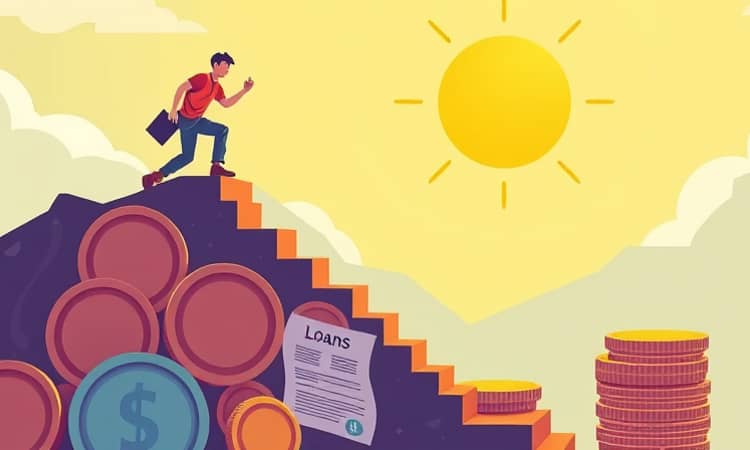
Facing multiple debts can feel overwhelming, but with a clear roadmap and consistent action, you can regain control of your finances. This guide offers a comprehensive framework to minimize interest costs, accelerate your payoff timeline, and build lasting financial confidence.
Mapping Your Debt Landscape
Begin by creating a thorough inventory of every obligation: credit cards, student loans, auto notes, medical bills, and mortgages. Record the balance, interest rate (APR), and minimum payment for each account. By visualizing every liability side by side, you harness debt inventory and planning to forge a clear starting point.
Next, total all minimum payments and determine a realistic amount you can contribute beyond those obligations each month. Treat that extra as an investment in your future rather than an expense. Even a modest surplus payment can compound into substantial savings over time.
Choosing the Right Repayment Strategy
Two primary schools of thought dominate structured repayment approaches: the snowball and the avalanche. Both begin with minimum payments on all debts, but they differ in how surplus funds are allocated. A third option, consolidation, simplifies multiple balances into a single payment, while settlement pursues negotiated reductions in principal.
Select the method that aligns with your personality and goals. Those craving early wins often thrive with the snowball, while detail-oriented savers may prefer the avalanche.
Optimizing Your Payments
Beyond your chosen strategy, tweaking payment timing and amounts can yield impressive savings. Paying just above minimums chips away at interest, and shifting from monthly to biweekly payments creates one extra full payment per year automatically.
Whenever possible, apply windfalls—bonuses, tax refunds, gifts—directly toward principal. This practice helps reduce the term and interest costs by shifting more of each installment into the principal balance, rather than letting interest accumulate.
Cost-Reduction Tactics to Free Up Cash
- Negotiate or switch service providers (cell phone, insurance, cable, gym) to lower monthly bills.
- Implement a no-spend month and redirect discretionary spending into repayments.
- Boost earnings with side gigs, freelance work, or selling unused items.
- Simultaneously build an emergency fund to avoid future reliance on credit.
Redirect any savings directly into your repayment strategy to maintain momentum and compound your progress.
Tools and Calculators for Tracking Progress
Leverage online calculators to compare scenarios and illustrate potential savings. Resources like Bankrate, Calculator.net, and FinAid offer amortization schedules, principal-versus-interest breakdowns, and payoff timelines. Some allow biweekly inputs or custom payment frequencies.
Regularly update your figures to track and adjust your strategy. Seeing the impact of each extra payment reinforces discipline and helps you stay aligned with your goals.
Implementing Your Plan Step by Step
- Compile a detailed list of all balances, APRs, and minimum payments.
- Calculate an extra payment amount based on your monthly budget.
- Choose and commit to one primary repayment method each billing cycle.
- Monitor statements, update calculators, and adjust your approach as interest rates or income change.
Consistency is the cornerstone of success. Celebrate each payoff milestone—no matter how small—to reinforce progress and sustain motivation.
Staying Motivated and Avoiding Pitfalls
Maintaining resolve over months or years can be challenging. Cultivate small victories to boost your motivation with quick wins. Whether it’s paying off a small account or trimming a monthly bill, each success fuels the next.
Avoid new borrowing during your repayment journey. Settlement may offer rapid relief but at the expense of your credit score. Instead, bolster your emergency fund and, if you have federal student loans, investigate available forgiveness or income-driven repayment programs.
Conclusion: Your Path to Financial Freedom
Reducing debt is both an art and a science. By combining careful planning, strategic payment methods, and disciplined budgeting, you can reclaim control of your finances. It’s time to start paving your path toward a debt-free future—one payment at a time.