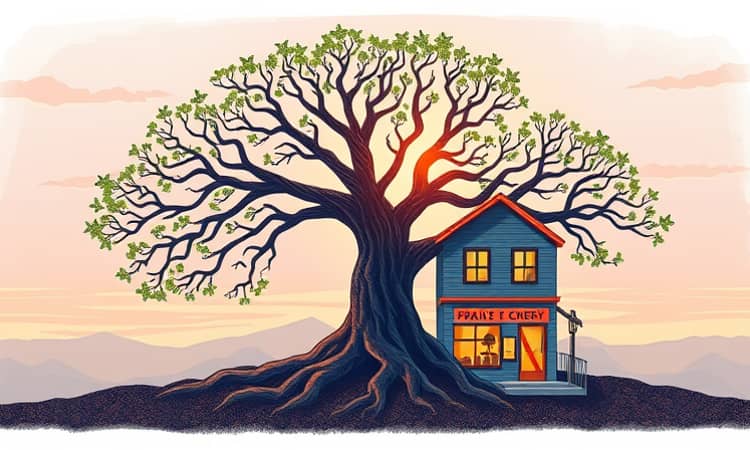
In an unpredictable world filled with sudden challenges—from natural disasters to unexpected leadership transitions—businesses need more than good fortune to survive. They need a thoughtful plan that bridges the immediate need to operate uninterrupted with the long-term vision of passing the torch. This article explores how strategic succession planning, intertwined with robust continuity measures, can become your company’s greatest asset.
Defining Continuity vs. Succession Planning
Before embarking on any roadmap, it is crucial to understand two distinct but complementary strategies: business continuity and succession planning. While they share a common goal—safeguarding organizational resilience—they address different horizons.
Business continuity focuses on reactive measures to maintaining service delivery and client trust during crises such as illness, cyberattacks, or natural disasters. Succession planning, by contrast, is a strategic, long-term process that prepares emerging leaders to assume key roles when planned transitions—like retirement or merger—occur.
The Human Story Behind the Numbers
Imagine a family-owned bakery with decades of tradition. When the owner unexpectedly falls ill, staff scramble to keep ovens warm, but without clear guidance, loyal customers drift away. This scenario is not unique. Globally, 49% of businesses lack formal continuity plans, leaving half of all companies dangerously unprepared for the unexpected.
- 90% of small firms permanently close if forced to halt operations beyond five days.
- Approximately 600,000 US businesses shutter each year due to disasters, cyberattacks, or unplanned retirement.
- 40–75% of disaster-impacted businesses never reopen.
These statistics underscore the critical importance of planning, not as an optional exercise, but as a lifeline for your enterprise. Incorporating both continuity and succession planning into your corporate ethos can transform a crisis into an opportunity for growth and renewal.
Key Components of Effective Continuity Planning
Building a continuity plan requires identifying the lifeblood of your operations—functions that cannot pause without severe consequences. This process often begins with a comprehensive Business Impact Analysis (BIA), as adopted by 81% of organizations, to determine recovery objectives.
- Define Recovery Time Objectives (RTOs) and Recovery Point Objectives (RPOs) for each critical function.
- Map dependencies across people, technology, and suppliers to ensure critical resources and external support remain aligned.
- Develop scenario-based and impact-based plans, combining proactive prevention with reactive recovery.
- Schedule regular testing—walk-throughs, table-tops, and full simulations—to reveal gaps before they become crises.
A mature continuity framework can improve recovery rates by up to 39% compared to organizations without formal plans. Yet, only 30% of businesses maintain a fully documented strategy, and over half never conduct a full-scale simulation. By prioritizing continuity, you create an operational safety net that allows your team to focus on strategic initiatives rather than firefighting emergencies.
Essential Elements of Succession Planning
Succession planning ensures the seamless transfer of leadership, knowledge, and ownership over a period often spanning 10–15 years. This strategic endeavor fosters stability and preserves the founder’s vision through deliberate mentorship and skill development.
- Identify high-potential candidates early and pair them with current leaders for hands-on training.
- Establish clear performance milestones that align with corporate goals and culture.
- Develop a knowledge transfer program to document critical processes, relationships, and decision-making criteria.
- Evaluate multiple scenarios—internal promotion, family succession, mergers or acquisitions, and external hires—to ensure flexibility.
When executed well, succession planning becomes more than an exit strategy; it is a catalyst for innovation. New leaders bring fresh perspectives, while institutional knowledge anchors the business in its core values. Together, they drive sustainable growth and multi-generational leadership.
Integrating Continuity and Succession for Lasting Resilience
Continuity and succession planning must operate as two interlocking gears. Continuity serves as a short-term bridge to long-term succession, offering immediate safeguards when unforeseen events strike. Succession planning, in turn, provides the strategic roadmap that ensures the organization thrives well beyond the founder’s tenure.
In practice, this integration involves:
By viewing continuity planning as a safety net and succession planning as the growth engine, organizations can navigate any storm and emerge stronger.
Best Practices for a Dynamic Roadmap
Crafting a living plan requires commitment, collaboration, and continuous improvement. Consider these guiding principles:
Annual Reviews and Updates: Regularly revisit plans to reflect organizational changes, technological advancements, and evolving risk landscapes.
Cross-Functional Collaboration: Engage leaders from finance, operations, HR, and IT to ensure all perspectives are represented and aligned.
Measurable Metrics: Track RTOs, RPOs, staff readiness, and plan invocation history to gauge effectiveness and pinpoint areas for enhancement.
Leadership Engagement: Maintain active owner involvement throughout the succession journey to preserve legacy and instill confidence in stakeholders.
Taking Action: Your Next Steps
Whether you manage a bustling startup or a long-standing family enterprise, the time to act is now. Begin by conducting a rapid gap analysis to identify immediate vulnerabilities. Then, establish a cross-functional task force to drive both continuity and succession initiatives.
Embrace the challenge as an opportunity to fortify your organization’s foundation and ensure that your vision endures for generations to come. With the right plan in place, you will transform uncertainty into confidence, and crises into catalysts for innovation and growth.