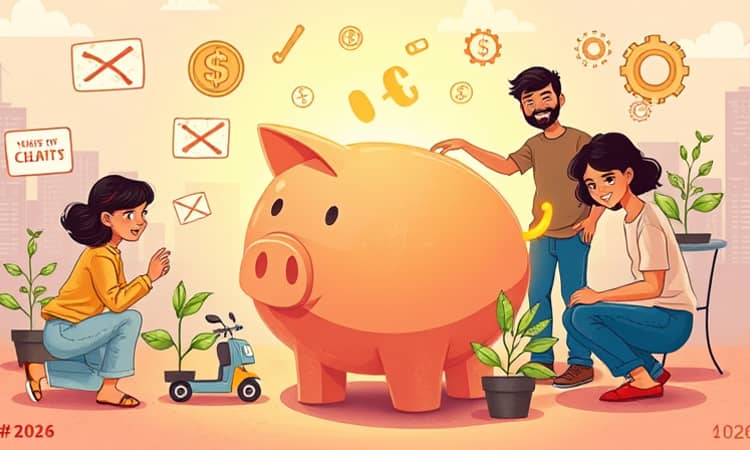
In today’s fast-paced digital economy, it’s easy to feel like your money slips through your fingers. Between streaming services, delivery apps, and hidden fees, households can unknowingly spend hundreds each month. Yet with thoughtful planning and intentional action, you can transform your finances into a source of freedom, security, and growth.
This guide will inspire you to adopt purpose-driven cash flow habits and equip you with practical strategies for both smart savings and smarter earnings in 2026.
Savings Strategies That Stick
Imagine Sarah, a freelance graphic designer, sifting through her bank statements and discovering over $200 in forgotten subscriptions. That moment of clarity sparked her journey toward financial control. You can replicate her success by examining every line of spending and building new, lasting habits.
- Subscription Audit ("Vampire Audit"): Review three months of statements and cancel surprises.
- Grocery and Daily Habit Shifts: Meal plan, use digital coupons, and switch to store brands.
- Emergency Fund Automation: Automate transfers to reach three to six months’ cover.
- Intentional No-Cost Weekends: Embrace hiking, DIY projects, or local community events.
Begin your vampire audit by deleting shopping apps like Amazon or SHEIN and un-saving credit cards to introduce friction. Set a quarterly reminder to audit every three months, ensuring no cost creeps back into your routine.
At the grocery store, build meals around what you already have. Use apps that stack digital coupons for an extra $10–$20 savings per trip, and don’t shy away from store brands that are often just as reliable but 30% cheaper. Small changes, such as limiting coffee runs to once a week or shopping clearance racks for clothing, accumulate fast.
With your subscription and grocery wins underway, shift focus to your safety net. An emergency fund of three to six months’ expenses provides a psychological cushion that transforms stress into calm. Open a separate, high-access account and set up automated transfers post-payday of even $50 a week—it builds up before you notice.
Finally, embrace no-cost weekends. Swap pricey outings for hiking trails, library visits, or cooking experiments. These experiences cost nothing but generate lasting memories and reinforce the distinction between needs and wants.
Building Smarter Earnings
Cost cutting is only one half of the equation. Raj, a software engineer, discovered that by shifting $10,000 into a high-yield savings account, he earned nearly $450 annually—far eclipsing near-zero rates at a traditional bank. He then diversified into stocks, bonds, and real estate funds, weathering inflation while enjoying growth.
- High-Yield Savings Accounts at 4–4.5%+
- Diversified Portfolio: stocks, bonds, and real estate
- Tax Optimization: SALT deductions, HSAs, tax-loss harvesting
- Debt Snowball Method: prioritize high-interest balances
- Side Income Opportunities: freelancing and gig platforms
Opening a high-yield savings account takes just minutes online and instantly outperforms legacy banks. From there, design a balanced portfolio: allocate assets across equities, fixed income, and alternative investments in line with your risk tolerance.
Tax planning is equally critical. The cap on state and local tax deductions rose to $40,000 through 2028, making itemizing worthwhile again. Health Savings Accounts offer a triple tax advantage—pre-tax contributions, tax-free growth, and tax-free medical withdrawals. Combine with tax-loss harvesting to offset gains or up to $3,000 of ordinary income annually.
Finally, never underestimate the power of side hustles. Whether it’s design work, consulting, or selling crafts, extra income streams accelerate your progress and build resilience against economic shocks.
Goal-Setting and Automation
Transforming ambition into results requires a clear roadmap. Break your objectives into bite-sized tasks and let technology handle the rest. Automated contributions, spending alerts, and progress trackers free mental bandwidth for enjoying life.
- Set up annual financial checkups
- Define three SMART goals with deadlines
- Track progress using budgeting apps
- Celebrate milestones to stay motivated
Each January, list your income, expenses, debts, and savings. Identify three major goals—such as stacking $500 monthly into savings or paying off a credit card by June—and assign timelines. Then, implement triggers like calendar alerts or automatic monthly transfers to maintain consistent saving momentum.
Review your wins and lessons quarterly. Recognizing small victories, such as a month without impulse buys, reinforces habits and fuels motivation for bigger milestones.
Holistic Long-Term Planning
Your financial life is more than numbers; it mirrors your values and aspirations. Alicia and Marcus use 529 plans to fund their children’s education, while also contributing to a high-deductible health plan paired with an HSA for future medical costs. They’ve set up an estate plan to ensure their legacy aligns with their principles.
Consider your broader goals: retirement income you’ll need, potential long-term care, and the impact you wish to leave behind. Maximize employer matches on retirement accounts and review beneficiary designations regularly. Even with careful planning, remember that past performance is no guarantee, and market conditions evolve.
Consult trusted advisors to tailor strategies, but anchor decisions in habits you can sustain. Align every dollar with your purpose—whether it’s security for your family, philanthropic impact, or the freedom to pursue creative passions.
By combining meticulous savings, diverse earnings, and a clear vision, you’ll navigate inflationary pressures and digital spending traps with confidence. Start today, and let your money become the tool that propels you toward financial freedom and the life you envision.