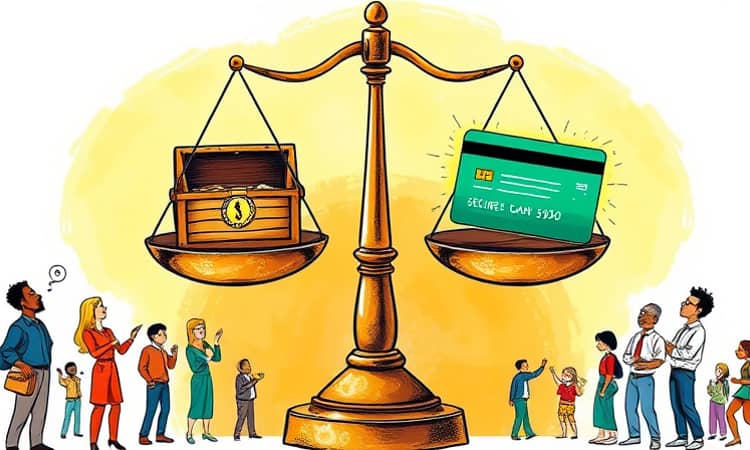
Every day, individuals and businesses seek financial solutions to meet goals, cover expenses, or seize opportunities. Understanding the contrast between secured and unsecured loans can empower borrowers to make informed choices.
In this article, we explore definitions, compare features, and provide guidance to help you select the best financing option.
What Are Secured and Unsecured Loans?
At their core, loans fall into two categories: those that require collateral and those that do not. A secured loan requires assets as collateral, such as a home, vehicle, or savings account. If the borrower defaults, the lender may seize these assets to recoup losses.
In contrast, an unsecured loan depends on the borrower’s creditworthiness rather than physical assets. This form of lending evaluates credit history, income, and debt ratios to assess risk.
Key Differences Between Loan Types
Several critical factors distinguish secured from unsecured loans. Understanding these differences can guide borrowers toward the most appropriate product.
- Interest rate variations: Secured loans generally offer lower interest rates for borrowers because collateral reduces risk for lenders.
- Approval speed and funding: Unsecured loans often provide faster approval and funding, sometimes within a single business day, whereas secured loans require asset appraisal.
- Borrowing limits and flexibility: Collateral-backed products tend to allow higher borrowing limits with more favorable terms, but may restrict how funds are used.
Pros and Cons of Secured Loans
Secured loans can unlock access to substantial funds at attractive interest rates. However, they carry unique risks and requirements.
- Pros:
- Lower rates due to reduced lender risk.
- Higher loan amounts based on collateral value.
- Qualification possible with weaker credit scores or limited history.
- Cons:
- Risk of asset repossession on default, including homes or vehicles.
- Potential restrictions on fund usage.
- Longer approval timeframe for appraisals.
Pros and Cons of Unsecured Loans
Unsecured loans offer flexibility and speed but typically demand stronger credit profiles and carry higher costs.
- Pros:
- No collateral means no asset risk.
- Funds can be used for any personal expenses.
- Quick application and disbursement.
- Cons:
- Higher interest rates impose greater long-term expense.
- Stricter qualification requiring higher credit scores and income.
- Lower maximum loan amounts.
How to Qualify for Each Loan Type
Qualifying criteria vary significantly between secured and unsecured products. Secured loans allow lenders to offset credit risk by evaluating the pledged collateral’s value.
To apply successfully for a secured loan, gather documentation proving ownership and value, such as appraisals or title deeds. Even borrowers with scores in the low 600s may qualify if collateral is sufficient.
For unsecured loans, lenders scrutinize credit reports, income statements, and debt-to-income ratios. Aim for a FICO score above 670 to access competitive rates and avoid burdensome fees.
Choosing the Right Loan for Your Needs
When deciding between secured and unsecured, assess your financial situation, goals, and risk tolerance. Ask yourself:
- Do I have assets I can safely pledge?
- How quickly do I need the funds?
- Am I comfortable risking property if I face repayment challenges?
- What interest rate savings justify collateralizing an asset?
By weighing these factors, you’ll determine whether liquidity, speed, or cost savings matter most to your circumstances.
Practical Tips for Borrowers
Regardless of loan type, prudent preparation can improve outcomes. Follow these guidelines to borrow responsibly:
- Strengthen credit history over time by making timely payments and reducing balances.
- Compare offers from banks, credit unions, and online lenders to secure the best rates.
- Careful evaluation of your finances ensures you choose affordable terms and realistic repayment plans.
- Consider automatic payments to avoid missed deadlines and protect your score.
Understanding Repayment and Default Consequences
Both loan categories typically feature fixed monthly installments, with terms ranging from two to seven years. Choosing a shorter term increases monthly payments but reduces total interest paid.
Defaulting on an unsecured loan will damage credit, trigger collections actions, and possibly lead to lawsuits. In the case of secured loans, the lender additionally seizes collateral, which can be devastating for borrowers.
Building Long-Term Financial Health
Loans are not merely transactions; they can serve as tools for financial growth when managed wisely. Using a secured product to consolidate high-interest debt can lower payments and improve credit utilization.
Alternatively, an unsecured personal loan may fund education or home repairs without risking assets. Over time, consistent repayment enhances credit profiles, unlocking lower rates on future mortgages, auto loans, and credit cards.
Final Thoughts
Choosing between secured and unsecured loans hinges on your circumstances, goals, and tolerance for risk. Armed with knowledge about loan features, qualification hurdles, and cost implications, you can chart a borrowing path that supports your aspirations.
By conducting diligent research, comparing offers, and following practical strategies, you’ll transform borrowing into a stepping stone toward greater financial stability and success.