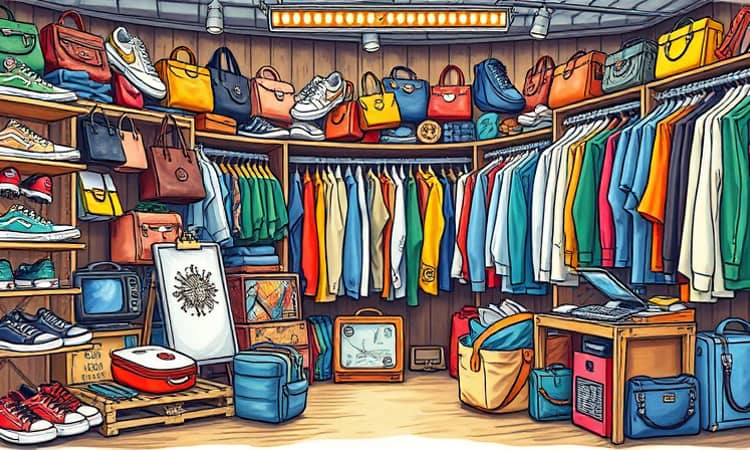
In an era defined by conscious consumption and rapid technological innovations, the secondhand market has transcended mere thriftiness to become a formidable economic force. Today, global resale apparel market is booming, forecasted to surpass $288 billion in 2026 as consumers aged 18 to 44 embrace pre-loved treasures. This burgeoning sector is fueled by a circular mindset and empowered by sophisticated AI tools, shattering outdated stigmas around used goods. From boutique vintage finds to high-end electronics, reselling offers a pathway to sustainable wealth creation for entrepreneurs and hobbyists alike.
Despite rising competition, many resellers enjoy robust margins by adopting data-driven methods and ruthless sourcing. With inflation climbing and new clothing tariffs inflating retail prices, shoppers increasingly gravitate toward secondhand apparel and accessories. In the United States, the thrift market alone is projected to hit $82 billion by 2026. Across the globe, nearly 60% of consumers plan to purchase used items this year, and in China that figure rockets above 70%. This convergence of demand and regulatory incentives paves the way for unprecedented opportunity.
Understanding the Resale Market in 2026
As we look deeper into the market dynamics of 2026, it becomes clear that technology is the prime catalyst for growth. AI algorithms now automate authentication, pricing, and listing creation from photographs, dramatically reducing friction for sellers. Features like instant SKU generation and market-driven price suggestions help even beginners compete with seasoned experts. Meanwhile, environmental regulations such as California’s Responsible Textile Recovery Act (SB 707) accelerate brand-led recommerce programs, pushing major labels to embrace trade-ins and resale to avoid landfill fees.
This evolution has elevated footwear resale by 80% year-over-year, with limited drops and collaborative releases fueling enthusiastic bidding wars. Pallet sourcing has also gained traction, as thrift store prices rise and casual thrifting yields diminishing returns. Bulk liquidation purchases—often acquired through manifest and unmanifest returns—offer resellers a chance to cultivate inventory at scale. A $450 pallet might produce $1,800 in gross revenue, illustrating how volume operations can outpace traditional single-item flips when managed strategically.
Profitable Reselling Models and Strategies
Reselling is not a monolith; it thrives on diverse business models that cater to different risk appetites and skill sets. Whether you prefer high-frequency liquidations, targeted retail arbitrage, or corporate trade-in exploits, the key lies in understanding the unique mechanics of each model. By specializing in a narrow niche or diversifying across complementary categories, you can optimize your time investment and margins.
- High-Velocity Liquidation Flipping: Acquire bulk pallets from platforms like Liquidation.com and Bulq. Successful flips can yield 200% markup after accounting for waste and fees.
- Retail Arbitrage: Scout clearance racks and rehab pre-loved items for quick turnarounds at local outlets or online retailers.
- Tech Refurbishing: Buy broken or outdated electronics, restore performance, and resell devices like iPhones or gaming consoles for significant profits.
- Brand-Owned Trade-In Programs: Leverage corporate initiatives from Patagonia, Lululemon, and REI to secure gift cards or credits that fund subsequent resale investments.
Top Profitable Items to Resell
Some categories repeatedly outperform others, particularly when you combine nostalgia appeal with limited availability. A quick-reference table below highlights the average buy and resale prices across high-margin segments, helping you prioritize your sourcing efforts.
Beyond these flagship categories, you can find untapped niches in kitchenware, refurbished furniture, and professional equipment. Seasonal items—such as holiday luxury decorations—also spike in value, offering timely arbitrage windows. By tracking market trends and aggregating historical sales data, resellers can anticipate surges and position their inventory accordingly.
Navigating Risks and Scaling Your Business
Every entrepreneurial venture entails challenges, and reselling is no exception. Inventory waste, platform fees, and time-to-sale pressures can erode margins if unmanaged. Approximately 40% of liquidation pallet contents may be unsellable, requiring vigilant inspection and sorting. Moreover, returns and listing fees vary widely across marketplaces, so cross-listing on multiple platforms and monitoring performance metrics become essential tactics for sustained profitability.
To scale effectively, implement streamlined workflows that leverage AI-powered tools for pricing and distribution. Aim to list three to five items daily, targeting one to four sales per day. Set aside dedicated hours each week for inventory processing, photography, and customer service to maintain consistent growth trajectories.
- Thrift Stores and Yard Sales: Inspect condition and authenticity before purchasing, and build relationships with store managers for early access.
- Online Marketplaces: Use apps like Bookscouter and Amazon Seller to verify price floors and avoid oversaturated listings.
- Bulk Pallets and Liquidations: Analyze manifest details when available, and factor in expected waste to calculate true cost per item.
Future Outlook and Embracing Sustainability
The reselling landscape continues to evolve, propelled by consumer demand for sustainable choices and empowered by emerging technologies. Brands are investing in recommerce platforms, while regulations encourage circular economy practices. For sellers, this means never-before-seen scale potential and opportunities to align profit with purpose.
By embracing AI-powered authentication and listing tools and focusing on high-demand, low-saturation niches for profit, resellers can future-proof their operations. Whether you’re flipping single items from your closet or running a multi-channel wholesale enterprise, the fundamental principle remains the same: turn unneeded goods into wealth while contributing to a more circular, sustainable world.