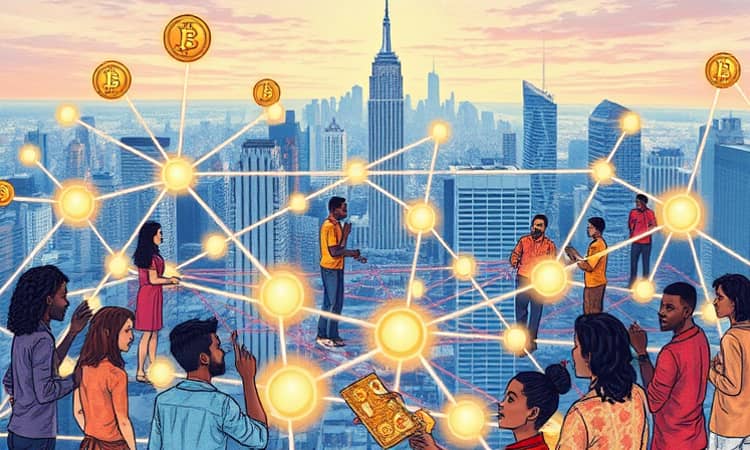
In an era defined by digital transformation, peer-to-peer lending has emerged as a groundbreaking force, reshaping the way individuals access and allocate capital. By tapping into the power of community and technology, this model unlocks new opportunities for borrowers and investors alike.
Understanding P2P Lending’s Core Principles
Peer-to-peer lending, also known as social lending or person-to-person lending, represents a revolutionary shift from traditional banking. Instead of routing all transactions through large financial institutions, this model connects borrowers directly with lenders across a digital platform.
At its heart, P2P lending involves three key parties: the borrower seeking funds, the individual or institutional investor providing capital, and the P2P platform that facilitates risk assessment, payment processing, and regulatory compliance. This streamlined arrangement offers a transparent environment where each participant can see terms clearly and engage with confidence.
By eliminating the need for high-overhead branches and legacy systems, P2P platforms deliver a leaner approach that emphasizes speed, efficiency, and inclusivity. It is this combination of community trust and cutting-edge technology that makes peer-to-peer lending a powerful alternative to conventional channels.
How the Process Works: From Application to Repayment
The journey begins when a borrower submits a loan request through a user-friendly online interface. They provide personal information, funding requirements, and supporting documents related to income and credit history. The P2P platform then conducts thorough identity verification, credit scoring, and risk evaluation.
Once verified, the borrower’s profile is published on the marketplace, visible to potential lenders. Investors, who have pre-specified their risk appetite and target returns, can browse available loan listings and choose opportunities that match their criteria. This dynamic matching process ensures that capital flows to qualified applicants efficiently.
When a loan reaches full funding, funds are transferred directly to the borrower’s bank account. Repayments, including interest and principal, are scheduled and automatically collected by the platform before distribution to each lender according to their share of the loan. This automated cycle simplifies management and fosters a reliable payment history for both parties.
Benefits for Borrowers
- Lower interest rates than traditional banks, often due to reduced overhead
- Faster application processes compared to conventional lenders, with automated approvals
- Expanded access to capital for underserved individuals and small businesses
- Transparent terms and fee structures that minimize surprises
Borrowers often find that peer-to-peer loans arrive more quickly and with fewer hurdles than bank offerings. The simplicity of the online process, coupled with clear rate quotes, eliminates much of the frustration associated with lengthy bank applications.
Moreover, individuals who may lack extensive credit histories can benefit from innovative underwriting models that consider alternative data points, such as employment stability and digital footprints, to secure competitive financing.
Benefits for Investors
- Higher returns compared to savings accounts and some fixed-income products
- Ability to choose which borrowers to lend to based on risk and purpose
- Diversification opportunities across loan portfolios to manage exposure
- Transparent performance tracking with real-time dashboards
Investors enjoy the autonomy to allocate capital according to individual risk tolerance. By spreading smaller amounts across multiple loans, they mitigate the impact of defaults while participating in a community-driven ecosystem.
Detailed reporting tools enable investors to monitor repayment schedules, delinquency rates, and overall portfolio health. This level of insight fosters informed decision-making and reinforces accountability between borrowers and lenders.
Comparing P2P Lending and Traditional Banks
While both P2P platforms and banks serve the essential function of connecting savers and borrowers, their operational models diverge significantly. A side-by-side view highlights the unique strengths of each approach.
This comparison underscores how peer-to-peer lending excels in agility and specialization, while traditional banks maintain broad service portfolios and regulatory safeguards.
Managing Risks and Ensuring Security
Every financial endeavor carries risk. For lenders, the primary concern is potential loan defaults, as P2P investments generally lack government insurance. Platforms address this by implementing rigorous credit checks, automated reminders, and, in some cases, provision funds to cover late payments.
Borrowers face their own responsibilities: maintaining accurate records, honoring repayment schedules, and understanding fee structures. A transparent dialogue with lenders and adherence to platform guidelines are crucial to preserving trust and securing future credit access.
Practical Tips for Participants
- Research platform reputation and read user reviews carefully
- Diversify your loan portfolio across different credit tiers
- Maintain a strong credit score through timely bill payments
- Stay informed about regional regulations and policy updates
By following these guidelines, participants can navigate the peer-to-peer landscape with confidence, balancing opportunity with responsibility.
The Future of Lending and Borrowing
As technology evolves, peer-to-peer lending platforms will further evolve, leveraging artificial intelligence, blockchain, and predictive analytics to refine credit risk models. This continuous innovation promises greater efficiency and deeper personalization for users.
Imagine a financial ecosystem where global capital flows seamlessly to entrepreneurs in emerging markets, where trust is anchored in transparent protocols rather than opaque institutions—this vision is within reach, driven by the collaborative spirit of P2P networks.
Conclusion: Embrace the New Financial Era
Peer-to-peer lending is more than a financial instrument; it is a movement grounded in community empowerment and technological ingenuity. By championing inclusive access to financial resources, this model redefines lending and borrowing as shared endeavors rather than adversarial transactions.
For borrowers, P2P platforms unlock pathways to growth and opportunity. For investors, they open doors to meaningful returns and purposeful engagement. Embrace the potential of peer-to-peer lending and join a financial revolution that celebrates connection, transparency, and shared prosperity.