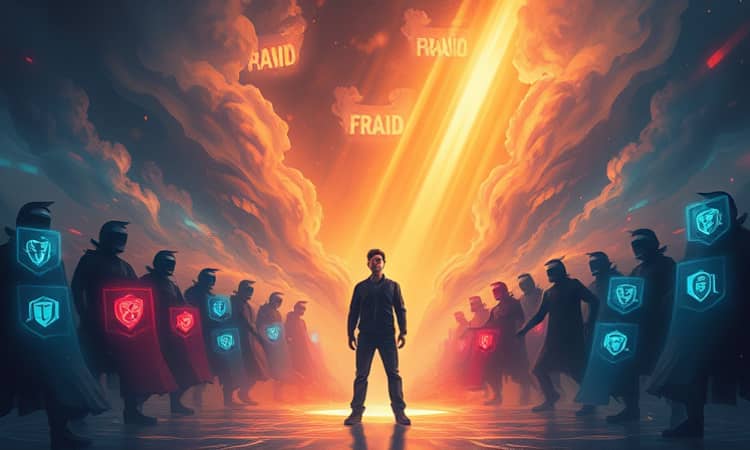
In an era defined by technological leaps and complex financial landscapes, millions face the hidden threats of loan fraud every day. Understanding these threats and arming yourself with actionable strategies can mean the difference between financial security and devastating loss.
Understanding the Growing Threat
Fraudsters are relentless, leveraging AI-driven deepfakes and synthetic profiles to exploit vulnerabilities. U.S. losses from synthetic identity fraud now top $30–$35 billion annually, and experts warn that figure could swell to $40 billion by 2027.
Nearly 8.3% of new digital account creations were flagged as suspicious in early 2025, and over 80% of credit card fraud traces back to these manufactured identities. When a system designed to welcome applicants becomes a target for sophisticated attacks, vigilance becomes your strongest ally.
Key Statistics That Demand Action
Consider these sobering numbers:
These figures make clear that no demographic or platform is immune. Millennials, Gen Z, and even seniors—who suffer 41.5% of total losses—must stay alert.
Red Flags of Loan Scams
Scammers rely on pressure, deception, and urgency. Watch for signs like:
- Offers too good to be true with guaranteed approval and zero credit checks.
- Requests for personal data—SSN, bank details—before any formal application.
- Hidden fees or deceptive terms buried in fine print or contracts.
- Unsolicited foreclosure rescue or debt modification demands up-front fees.
- Unfamiliar credit inquiries or sudden changes showing on your report.
Being able to spot these warnings early can save you hours of frustration and thousands of dollars.
Practical Protection Strategies
Building a fortress around your financial identity takes both simple habits and smart tools. Start with these steps:
- Verify lender credentials: Check licensing, BBB ratings, and customer feedback before proceeding.
- Read every clause: Understand interest rates, penalties, prepayment rules, and all fees.
- Enroll in credit monitoring services for real-time alerts to suspicious activity.
- Place a fraud alert or freeze on your credit file if you suspect risk.
- Use disposable phone numbers and disposable email addresses when submitting initial information.
- Limit sharing: Only provide essential data to trusted institutions.
- Report suspicious offers to the FTC, CFPB, and your state Attorney General.
These actions not only deter opportunistic scammers but also create valuable records should you need to dispute unauthorized transactions.
Emerging Trends in 2026
As technology evolves, so do the tactics of fraudsters:
Deepfake voice cloning is on the rise, enabling impostors to mimic family members, financial advisors, or even CEOs. Multi-step attacks have surged 180% year over year, and AI-driven phishing is now a core method for harvesting credentials.
Synthetic identities—false personas built from real and fictitious data—account for more than 80% of all new account fraud. By understanding the trajectory of these schemes, consumers can adopt proactive defenses rather than reactive remedies.
Real-World Lessons and Success Stories
Jessica, a 35-year-old entrepreneur, noticed an unauthorized credit inquiry weeks before scammers applied for a high-limit loan in her name. She immediately froze her credit, filed a dispute, and employed a reputable identity theft protection service. Within days, fraudulent applications were shut down, and her credit score remained intact.
Similarly, George, a retiree, was targeted by a voice-cloning scam posing as his grandson imploring him to send funds. Recognizing the deepfake quality, George paused, called his grandson directly, and averted a loss exceeding $10,000.
- Proactive communication halted the threat.
- Verification steps confirmed true identities.
Looking Ahead: Building Resilience
No single tactic will eliminate risk entirely, but a combination of awareness, technology, and prudent behavior can fortify your defenses. Consider the following commitments:
1. Maintain ongoing education—subscribe to trusted financial newsletters and alerts.
2. Review your credit report at least once a quarter.
3. Keep authentication methods up to date—use multi-factor authentication wherever available.
By weaving these practices into your daily routine, you transform uncertainty into empowerment. Every time you pause to verify a lender, read the fine print, or freeze your credit, you reclaim control over your financial narrative.
Conclusion: Empowerment Through Vigilance
Loan scams are not just statistics; they represent real stories of hardship and resilience. By combining data-driven insights, practical safeguards, and a vigilant mindset, you can navigate the complex world of lending with confidence.
Remember: Your vigilance today protects your financial freedom tomorrow. Stay informed, stay cautious, and you’ll transform every potential threat into an opportunity to strengthen your financial foundation.