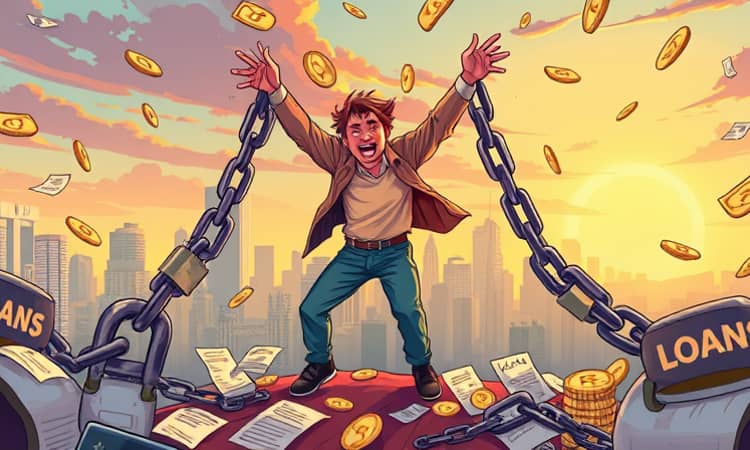
Embarking on a journey to repay loans can feel daunting, but with the right mindset and roadmap, you can transition from feeling overwhelmed to celebrating financial independence. This comprehensive guide will inspire you with real-life strategies, clear examples, and emotional insights to propel you toward lasting financial peace and empowerment.
Understanding Loan Repayment Challenges
Most Americans juggle multiple debts—student loans, auto notes, credit cards, mortgages—each requiring periodic principal and interest payments that stretch budgets and test resolve. Falling behind can damage credit scores, limit future borrowing power, or even lead to bankruptcy.
Whether you’re fresh out of college, mid-career, or nearing retirement, understanding the mechanics of amortization, interest capitalization, and forgiveness timelines is the first step toward reclaiming control over your finances.
Navigating Federal Student Loan Plans in 2026
Federal plans remain at the heart of many repayment strategies. As of 2026, borrowers can choose from:
- Standard Repayment: Fixed payments over ten years—minimizes total interest but demands higher monthly contributions.
- Graduated Repayment: Lower initial payments rising every two years—ideal if income growth is expected.
- Extended Repayment: Spans up to 25 years for balances over $30,000—reduces monthly strain but increases total interest.
- Income-Driven Repayment (IDR): Payments capped at 10–15% of discretionary income, forgiving balances after 20–25 years.
Beginning July 1, 2026, new options will reshape the landscape:
Strategies for Accelerated Payoff
If early freedom from debt is your goal, prioritize methods that shrink principal quickly and reduce interest accrual. Consider these proven tactics:
- Extra Principal Payments: Whenever possible, apply lump sums or an extra $50–$100 per month directly to principal.
- Automated Biweekly Contributions: Splitting monthly dues into biweekly installments triggers an extra annual payment, shortening your term.
- Autopay Discounts: Many lenders offer a 0.25% rate reduction when you automate for disciplined consistent loan payments.
- Refinancing Opportunities: With strong credit and stable income, refinance private or high-interest balances to secure lower rates or shorter terms.
- Interest-Only Payments During Deferment: In-school or grace periods, pay accrued interest to prevent capitalization and save thousands.
For example, applying an extra $100 each month on a 10-year, $10,000 loan at 4.5% interest can shave over 5 years off your payoff schedule and save more than $1,200 in interest.
Balancing Aggressive and Flexible Approaches
Not every borrower can commit to the fastest schedule; life events and variable income often demand flexibility. Align your strategy with your circumstances:
- Aggressive Path: Choose Standard Repayment plus consistent extras for minimal interest and rapid payoff.
- Cash-Flow Focus: Opt for IDR to preserve monthly breathing room, then redirect any surplus toward extra principal.
- Forgiveness Track: If you qualify for Public Service Loan Forgiveness (PSLF), maintain accurate employment certification and meet all IDR requirements.
Self-Employed and Small Business Considerations
Entrepreneurs and freelancers face income fluctuations that can complicate fixed payments. Income-driven plans automatically adjust with annual recertification, matching your payment to current earnings. Maintain meticulous records, file taxes promptly, and engage a financial advisor for quarterly reviews to stay on track.
Leveraging Calculators and Examples
Interactive online calculators can transform abstract numbers into tangible plans. Use them to:
- Compare multiple loans side-by-side
- Model how extra payments impact payoff timelines
- Analyze amortization schedules to understand early interest-heavy phases
Consider a $100,000 student loan at a 5% fixed rate over 10 years: standard monthly payment is $1,060, with total interest exceeding $27,000. By adding $200 each month, you repay in under eight years and save over $5,000 in interest.
Common Pitfalls and How to Avoid Them
Avoid mistakes that can derail your progress:
- Automatic Refinancing: Don’t refinance federal loans without weighing the loss of federal safeguards like forbearance options and forgiveness.
- Missed Recertification: Failing to recertify IDR can revert you to standard payments—often doubling what you owe.
- Minimum Payment Trap: Paying only the minimum leaves most funds applied to interest, stretching your term and overall cost.
- Ignoring Private Lender Policies: Contact creditors proactively to negotiate terms rather than assuming flexibility.
Taking Control and Staying On Course
Mastering loan repayment is as much about discipline as it is about numbers. Establish a simple routine: automate payments, track balances quarterly, and celebrate milestones. Each extra dollar toward principal brings you closer to the day you free yourself from monthly obligations and embrace new possibilities.
Imagine the relief of opening your next paycheck unburdened by student loans, the pride in owning your car outright, or the joy of harnessing home equity without mortgage stress. By combining targeted strategies with consistent action, accelerating your path to early financial freedom and peace becomes not only possible but within your grasp.
Start today: review your loan portfolio, choose the plan that aligns with your goals, and commit to one small extra contribution this week. Momentum builds quickly, and before you know it, you’ll look back on your debt-free life as the greatest achievement you ever secured.