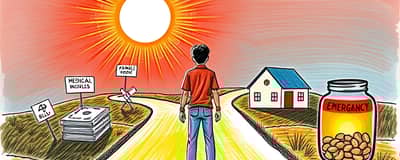
The burden of student loans can feel overwhelming, as balances climb and interest accrues. Yet, a range of forgiveness options exists to help borrowers reclaim their financial freedom. By understanding the available programs and preparing thoughtfully, you can transform the weight of debt into a platform for a brighter future.
The Promise of Forgiveness
Across federal, state, and local levels, over 140 programs aim to ease or eliminate student loan debt. These initiatives reward specific careers, service commitments, or consistent repayment. While eligibility requirements vary, each path shares one goal: turning debt into opportunity and restoring peace of mind.
Major federal offerings include Public Service Loan Forgiveness, income-driven repayment forgiveness, Teacher Loan Forgiveness, and National Health Service Corps repayment. Together, they provide full balance forgiven or substantial debt relief after meeting criteria like 120 qualifying payments or dedicated service in underserved areas.
Understanding Your Options
Choosing the right forgiveness route starts with identifying your loan type—Direct, FFEL, Perkins, or PLUS—and confirming program compatibility. Federal loans tend to qualify for the broadest relief, while private loans often require refinancing or state-specific support. Carefully track your payment history and employer status to ensure each month counts toward forgiveness.
Key factors to compare include required payment duration, employer qualifications, and tax implications. Some forgiven balances become taxable income, while others, like Public Service Loan Forgiveness, remain exempt. Planning ahead prevents unexpected liabilities and maximizes your ultimate savings.
Major Federal Forgiveness Programs
Among the federal suite, three programs stand out for their popularity and impact. Public Service Loan Forgiveness (PSLF) offers total cancellation after ten years of qualifying payments made while employed full-time by a government or nonprofit. Income-driven repayment plans—such as IBR and the SAVE Plan—provide forgiveness after 20 to 25 years of reduced monthly payments tied to your income.
Teacher Loan Forgiveness awards up to $17,500 for qualifying educators who serve five consecutive years at low-income schools, while the National Health Service Corps repays up to $75,000 for clinicians in underserved communities. These targeted programs reward public service commitment and help critical professions flourish.
State and Private Programs
Beyond federal relief, many states and employers provide loan assistance to retain talent. Programs vary widely in scope and funding, often targeting professions in high-need fields or underserved regions.
- Montana’s Teacher Loan Assistance: up to 50% of tuition costs over five years
- Herbert S. Garten Memorial Grant: up to $10,000 for eligible graduate students
- Industry-Specific Aid: up to $5,000 for employees of certain private companies
Investigate your state’s education or workforce department website, and check if your employer participates in any assistance plans. Even small grants can significantly reduce your repayment horizon.
Application Steps and Tips
Navigating application processes can feel daunting, but a systematic approach simplifies each step. Whether applying for PSLF or a state grant, following best practices boosts your chances of success.
- Gather Documentation: employment verification, loan statements, and income records
- Enroll in Qualifying Plans: switch to an income-driven repayment if necessary
- Submit Annual Certifications: ensure your service and payment counts are approved
Use the Department of Education’s online portals and tools, such as the PSLF Help Tool, to track your progress. Keep copies of each submission and confirmation for your records, safeguarding against processing delays.
Overcoming Common Challenges
Despite clear criteria, many borrowers face hurdles like delayed approvals, miscounted payments, or non-qualifying employers. Recognizing these pitfalls and addressing them early can save months or even years of frustration.
- Employer Eligibility: confirm nonprofit status or government affiliation before counting service
- Repayment Plan Mistakes: only specific income-driven plans qualify for PSLF
- Documentation Gaps: missing signatures or outdated forms can lead to denials
When issues arise, reach out to your loan servicer promptly and request an official review. If denials persist, consider filing an appeal or seeking advocacy through nonprofit credit counseling services.
Looking Ahead: Changes in 2026 and Beyond
New regulations set to take effect in July 2026 will refine PSLF and other programs, aiming to support public servants while safeguarding taxpayers. Watch for modifications in qualifying criteria and streamlined application procedures designed to reduce backlogs.
Tax rules will also shift: most forgiveness under income-driven plans becomes taxable starting 2026, so plan ahead to avoid unexpected bills. In contrast, PSLF remains tax-exempt, reinforcing the value of public service employment as a long-term strategy.
Moreover, expanded eligibility waivers in recent years have already added thousands of qualified payments for millions of borrowers. Continued advocacy and legislative updates promise to make forgiveness more accessible and equitable.
Conclusion: Embrace Your Path to Freedom
Embarking on a forgiveness journey requires patience, diligence, and informed decision-making. Yet, each qualifying payment and certification brings you closer to a life unshackled from debt. By exploring all available options—federal, state, and private— and staying proactive, you transform challenges into milestones.
Today’s efforts will shape tomorrow’s possibilities. Let the promise of financial relief inspire you to take the first step: review your loans, verify your eligibility, and submit your applications. With persistence and the right guidance, your debt can indeed disappear, paving the way to new horizons of opportunity.