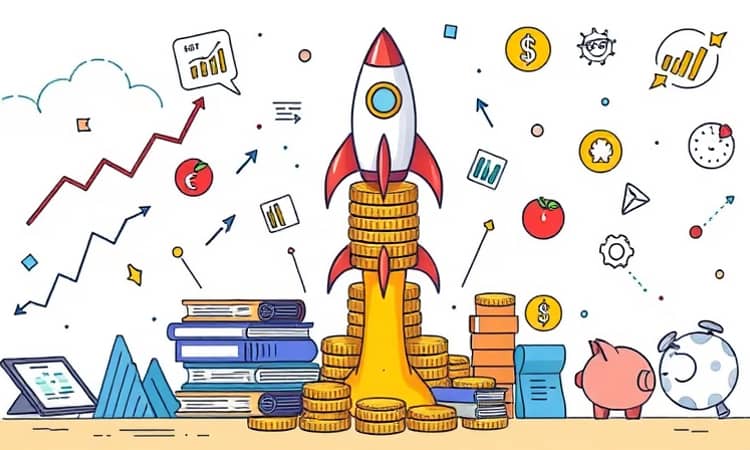
As we move into 2026, savvy savers and aspiring investors face a pivotal moment. With the Federal Reserve expected to cut rates by roughly 100 basis points over the year, significant opportunities for financial acceleration are emerging amid market volatility. This guide offers a comprehensive, actionable roadmap to kickstart your income, fortify your savings, and build lasting wealth.
Foundational Steps: Review and Budgeting
Every journey begins with a clear snapshot of where you stand today. Igniting income growth requires diagnosing both your inflows and your spending leaks. Start by reviewing recent bank and credit card statements for patterns in groceries, transport, and entertainment.
Then, create or reevaluate a budget that covers essentials—housing, utilities, groceries, loans—before mapping discretionary spending. Rather than restriction, think of this as strategic redirection toward your highest priorities.
- Track all inflows and outflows with online banking or a personal finance app.
- Set up automatic transfers to a high-yield money market account for faster emergency fund growth.
- Reflect on last year’s goals: What worked? What derailed progress? Use these insights to refine your plan.
Goal-Setting and Prioritization Framework
To build momentum, sequence your objectives with a clear hierarchy. Prioritize must-haves before aspirational luxuries. Ground each goal in your core values—security, independence, philanthropy—so you stay motivated through 2026’s twists and turns.
Focus first on building a three- to six-month reserve, then tackle the highest-rate debts with the snowball or avalanche method. Next, ensure you capture the full free money accelerator from employer match in your 401(k) before moving to aspirational goals.
Income Ignition Tactics: Boost and Automate
With your foundation in place, it’s time to turbocharge your cash flow. Roughly 15% of individuals cite boosting income as a top 2026 resolution. Here’s how to accelerate inflows and automate progress:
- Explore side hustles or freelance gigs aligned with your skills—aim for an extra $200–$500 monthly.
- Request a raise or pursue a promotion with documented achievements and market research.
- Automate debt payments and savings transfers to create an automated debt and savings transfers system that runs in the background.
- Eliminate impulse purchases: 59% of consumers cut daily treats and 49% commit to mindful spending for deeper impact.
Long-Term Fueling: Investments, Retirement, Taxes
Sustained growth relies on deliberate investment and tax strategies. With anticipated rate cuts, focus on fixed-income maturities of five to seven years and maintain an equity allocation near 55% for balanced risk and reward.
- Review and rebalance your portfolio quarterly to stay aligned with a resilient portfolio through rebalancing discipline.
- Increase retirement contributions, aiming for at least 15% of income, and consider Roth conversions in a lower 2025 tax bracket.
- Leverage year-end tax planning opportunities by maximizing deductible contributions and capturing education or health savings credits.
- Set up a structured wealth plan that integrates cash flow needs, risk tolerance, and long-term objectives.
Economic Context for 2026
The economic backdrop this year features policy shifts, global uncertainty, and a return to rate normalization. Markets may waver as fiscal and tax reforms unfold, but liquidity and resilience remain paramount. Maintain a cash buffer for short-term opportunities and continue focusing on your core metrics.
Inflation pressures and cost-of-living increases have spurred 43% of consumers to adopt balanced expense management. Harness this trend to mitigate risks and capitalize on lower borrowing costs when rates fall.
Next Steps and Staying on Course
Progress is built through consistency and review. Schedule quarterly check-ins to measure savings growth, debt reduction, and investment performance. Use mobile alerts or calendar reminders to stay on track.
Celebrate small victories—the first $1,000 saved, a debt payoff milestone—to fuel motivation. Remember, the compounding effect of disciplined action becomes more powerful over time.
By following this 2026 roadmap, you’re not just chasing numbers; you’re igniting a lifelong journey of financial confidence through deliberate planning. Now is the moment to act, adapt, and accelerate toward your most ambitious financial goals.