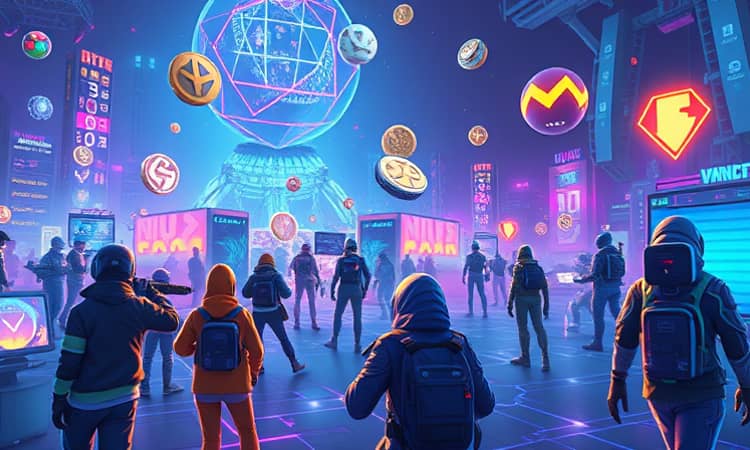
The rise of GameFi is reshaping the landscape of digital entertainment by merging the thrill of gaming with the power of decentralized finance. In these blockchain-based worlds, players don’t just play—they earn real value for every quest they complete. Traditional games have long controlled in-game assets behind centralized servers, but GameFi flips the script by offering truly player-owned economies where virtual treasures can be exchanged for real-world currency.
As this new paradigm gains momentum, we see entire communities forming around play-to-earn titles. Millions of participants worldwide now engage in gaming sessions not only for fun but also for financial incentives. This article will explore the mechanics, benefits, challenges, and future of GameFi, spotlighting how it transforms leisure into a viable income stream.
Defining GameFi and the P2E Model
At its core, GameFi refers to blockchain-based games that reward participants with cryptocurrency tokens, NFTs, or other digital assets. Unlike “pay-to-win” monetization schemes, the play-to-earn (P2E) model empowers gamers by granting tangible rewards through gameplay. These rewards follow players in the form of native tokens—ubiquitous currencies with real-market value—or unique NFTs that represent characters, weapons, land, costumes, and more.
Blockchain integration ensures that every transaction and asset transfer is recorded on a public ledger, eliminating the need for centralized authorities. Smart contracts automate rewards and enforce transparent rules, preventing fraud and providing permanent proof of ownership. This combination of DeFi principles and immersive play elevates the gaming experience into a sustainable economy.
How GameFi Works: Mechanics and Components
GameFi ecosystems rest upon several key pillars that drive both entertainment and financial incentives. First, blockchain networks like Ethereum, Solana, and Binance Smart Chain host the game’s core logic, while smart contracts verify achievements and disburse rewards. Players earn by completing missions, battling opponents, mining resources, or breeding digital creatures.
Staking mechanisms allow token holders to lock assets for passive income, while marketplaces facilitate trading NFTs or native tokens. Some titles incorporate governance features, granting holders voting rights over game development. Advanced DeFi integrations such as yield farming, lending, and renting of assets further deepen economic complexity.
This comparison underscores the foundational shift from corporate ownership of assets to decentralized, player-controlled value systems. In GameFi worlds, every item or token you earn has the potential to be traded, sold, or reinvested across multiple platforms.
Benefits of GameFi: Ownership, Transparency, and Earnings
GameFi unlocks a range of advantages that traditional gaming rarely offers. Players gain genuine control over digital assets, while transparent blockchains foster trust and fairness. Financial incentives transform gaming from a hobby into a potential source of income, especially in regions where traditional employment is scarce or low-paying.
- True ownership of unique digital items
- Passive income through staking and renting
- Transparent reward systems and fair play
- Access to global markets without intermediaries
- Interoperability across multiple game worlds
These benefits combine to create vibrant economies in which skill, time investment, and strategic planning all translate into measurable rewards. The ability to convert tokens and NFTs into fiat currency further cements GameFi’s appeal to a global audience.
Challenges and Risks in Play-to-Earn Ecosystems
Despite its promise, GameFi carries inherent risks that participants must navigate. Token and NFT values can be highly volatile, exposing players to sudden market downturns. High entry costs and inflationary reward structures may create unsustainable “ponzinomic” models that collapse without continual growth.
- Market volatility leading to asset devaluation
- High gas fees and scalability constraints
- Regulatory uncertainty around crypto earnings
- Potential for fraud, scams, and hacking
- Player burnout from grind-intensive gameplay
Developers and communities must address these challenges by optimizing smart contract design, ensuring fair tokenomics, and improving user accessibility. Tools like Chainlink VRF for secure randomness and sidechains for lower transaction fees help mitigate many risks.
The Future of GameFi: Trends and Innovations
Looking ahead, GameFi stands at the intersection of several emerging technologies. Integration with AI and virtual reality promises increasingly immersive gameplay, while permissionless DeFi markets aim to simplify fiat conversion and wallet management. We also see the rise of interconnected metaverse ecosystems, enabling seamless transfers of assets and avatars between worlds.
Governance tokens will empower communities to shape game development, fostering deeper engagement and shared ownership. Zero-fee blockchains and carbon-neutral protocols may further democratize access, reducing barriers for new players. As the line between gaming and finance continues to blur, GameFi is poised to become a mainstream form of digital interaction.
In 2026 and beyond, the play-to-earn revolution is more than a trend—it is a movement toward a fairer, more inclusive virtual economy that recognizes and rewards players for their creativity, skill, and dedication. Whether you’re a seasoned gamer or new to blockchain, GameFi offers a pathway to join a thriving, decentralized future.