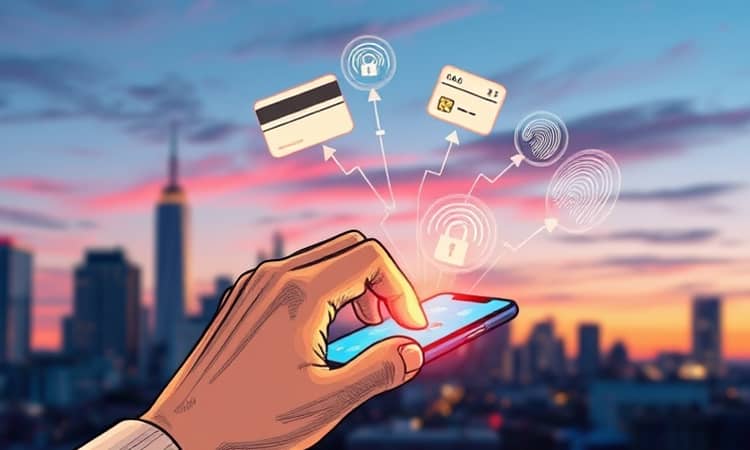
In today’s hyper-connected world, managing money should be as effortless as sending a message. Digital wallets have emerged as the solution, transforming smartphones and wearables into powerful payment platforms that eliminate the need for physical cards and cash.
Whether you’re grabbing coffee, splitting a dinner bill, or shopping online, these secure, software-based systems streamline transactions while maintaining robust protection for your sensitive information.
Understanding Digital Wallets
At its core, a digital wallet is software that securely stores payment details—card numbers, bank accounts, loyalty cards—and allows you to pay with a tap or a scan. Mobile wallets, a subset designed for smartphones and tablets, leverage device features like NFC and biometrics to offer a seamless checkout experience.
Digital wallets fall into three primary categories based on their flexibility:
- Closed wallets: Restricted to a specific platform or merchant ecosystem.
- Semi-closed wallets: Enable payments at multiple stores but limit fund transfers.
- Open wallets: Offer full banking integration, allowing cash withdrawals and fund transfers.
Additionally, wallets can be classified by platform type: mobile, desktop, or cross-platform, ensuring you can access your funds on any device, anytime.
Major Providers and Their Features
Several leading companies compete in the digital wallet space, each offering unique advantages. Below is a snapshot of popular providers and their core capabilities:
Choosing the right wallet depends on your device ecosystem, preferred payment methods, and whether you need cross-border functionality or loyalty rewards integration.
Core Security Technologies
Security is paramount in digital transactions. Wallet providers employ advanced measures to protect your data and finances:
- End-to-end encryption protects data both in storage and during transmission, making it unreadable to unauthorized parties.
- Tokenization replaces card details with unique tokens at checkout, so actual numbers never traverse the network.
- Biometric authentication methods—fingerprint scanning, facial recognition—add a layer of safety beyond passwords.
- Multi-factor authentication (2FA, one-time passwords) ensures only you can approve high-value transactions.
Device-specific security elements, such as secure enclaves in smartphones, further isolate payment credentials from potential threats.
Maximizing Your Digital Wallet Experience
To harness the full potential of digital wallets, follow these best practices:
- Use strong, unique passwords for each app and enable biometric locks where available.
- Keep your wallet app and device OS updated with the latest patches to address vulnerabilities promptly.
- Enable two-factor authentication and review your transaction history regularly for unauthorized activity.
- Avoid public Wi-Fi for payments; if necessary, use a VPN or your mobile data network.
Should your device be lost or stolen, most wallet providers offer remote disabling. Acting swiftly can prevent unauthorized access, especially when combined with biometric locks.
Emerging Trends and the Future of Digital Payments
The digital wallet landscape continues to evolve, driven by emerging technologies and shifting consumer expectations:
• Blockchain integration and decentralized identity (DID) frameworks could grant users greater control over personal data.
• Cryptocurrencies and digital collectibles are finding their place in multi-asset wallets, offering seamless asset management.
• AI-driven fraud detection and predictive analytics are enhancing real-time security, flagging anomalies before they become threats.
• Wearables, IoT devices, and even vehicles are being outfitted with wallet capabilities, extending cashless convenience to every facet of daily life.
Balancing Convenience and Vigilance
Digital wallets promise unparalleled ease—no more fumbling for cards or worrying about forgotten PINs. Yet this convenience must be balanced with responsible use. Staying informed about security features, adopting best practices, and choosing reputable providers will ensure your digital wallet remains a safe, reliable companion.
As we move toward a cashless future, digital wallets stand at the forefront of financial innovation. By embracing these tools wisely, you can unlock a world where transactions are swift, secure, and truly seamless.