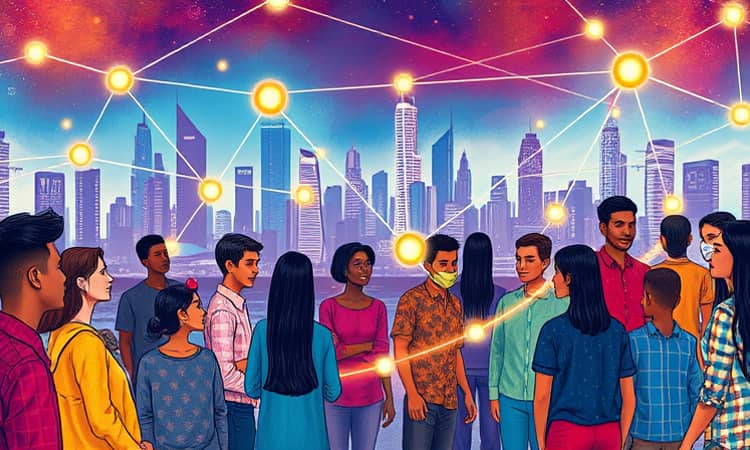
In an era marked by data breaches and opaque algorithms, the promise of Web3 shines as a beacon of hope for millions seeking genuine connection and ownership. At the heart of this revolution lies the decentralized social graph—a new paradigm that empowers individuals to own and manage their networks across applications, platforms, and virtual worlds. This movement isn’t just technical; it’s a profound shift in how we relate, collaborate, and create community.
By harnessing blockchain and decentralized storage, Web3 communities can transcend corporate walls, unlocking unprecedented freedom and creative potential. As you explore this transformation, envision a world where your social identity travels with you, immune to censorship and commercial exploitation.
Understanding the Shift from Web 2.0 to Web 3.0
Traditional social platforms lock your connections and content within centralized servers. These “walled gardens” profit from user data, restricting portability and transparency. In contrast, decentralized graphs restore agency to individuals. Users choose algorithms, control data, and determine access policies. They become architects of their digital footprints rather than passive tenants.
Consider the power of transparent blockchain-secured connections for enhanced user trust. Every friend, follower, and interaction is recorded on a public ledger, visible yet protected by cryptography. No corporation can unilaterally alter or sell your graph without your consent.
By comparing these models side by side, communities can appreciate how eliminate centralized data control ignites a new era of trust and collaboration.
Empowering Users with Ownership and Portability
Decentralized frameworks like DeSocial on Ethereum demonstrate how individuals can host their data, evaluate multiple graph learning models, and select the best fit for their needs. This approach fosters personalized algorithm selection based on user preference, ensuring that community dynamics evolve in tune with real-world contexts.
Matters Lab’s open social graph infrastructure, supporting over 100,000 content creators, provides a living proof of concept. Creators publish work, build followings, and monetize without surrendering control, illustrating how robust majority voting consensus mechanism prevents single points of failure and bias.
Building and Nurturing Web3 Communities
- Blockchain Developer Communities: Collaborate on decentralized protocols and smart contracts.
- DeFi and Investment Groups: Share insights, launch projects, and govern token-based ecosystems.
- Social Web3 Movements: Advance social impact, environmental sustainability, and philanthropy through tokenized incentives.
- Location-Based DAOs: Address regional challenges with hyperlocal governance and resource allocation.
- Practice-Based Learning Circles: Hone Web3 skills, mentor newcomers, and co-create educational resources.
These varied community types underscore the flexibility of decentralized graphs. Participants design governance rules, allocate rewards through token votes, and share resources seamlessly. Tapping into this collective intelligence fuels innovation and fosters lasting bonds.
Tools and Platforms for Community Management
- Communication: Discord, Twitter Spaces, Telegram, Reddit, Discourse.
- Web3-Native Platforms: Islands.xyz, Mirror.xyz, Snapshot.org, Guild.xyz, Collab.land, Coordinape, Sourcecred.
Selecting the right combination of tools depends on community size, goals, and governance preferences. Integrating token gating, on-chain voting, and automated reward distribution transforms passive groups into thriving ecosystems. Each tool adds a layer of transparency and accountability, aligning incentives and amplifying engagement.
The Road Ahead: Trends Shaping the Future
Emerging platforms like Avanti3 blend blockchain with immersive technologies, creating dynamic immersive augmented reality environments where virtual concerts, art galleries, and hackathons converge. These experiences deepen emotional resonance and expand the definition of social presence.
Ethical monetization models are gaining traction. Platforms allocate a percentage of transaction fees to charitable causes or community grants, embedding generosity into every interaction. Multi-chain expansion and AI-driven content distribution further enhance scalability and personal relevance.
As adoption accelerates, interoperability will become the norm. Your social graph, reputation badges, and NFT profiles will follow you across metaverses, DeFi protocols, and decentralized applications. With every connection under your control, the concept of platform lock-in will fade into history.
Decentralized social graphs represent more than a technological upgrade—they herald a cultural transformation. By placing power back into the hands of users, Web3 communities become incubators of creativity, trust, and shared purpose.
Whether you’re a developer crafting the next protocol, a creator seeking fair compensation, or an enthusiast eager to connect with like-minded pioneers, the decentralized future invites you to participate. Build, govern, and celebrate communities that reflect your values, and watch as the global social tapestry becomes richer, more inclusive, and profoundly human.