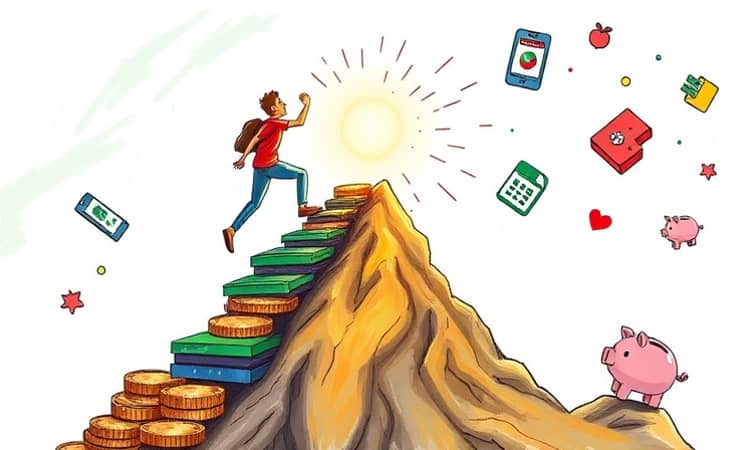
Managing personal debt can feel overwhelming but it is entirely possible to regain control. By understanding proven repayment methods and integrating disciplined budgeting practices, you can cultivate a healthy balance sheet for life. This article guides you through a step-by-step process to free yourself from creditor anxiety while building lasting financial resilience. Whether you choose DIY strategies or seek professional guidance, each step brings clarity and empowerment. In a time of rising interest rates and complex lending environments, adopting proactive habits early can save thousands in interest and years of stress. Read on to learn how to deploy the Debt Snowball, Avalanche, and hybrid approaches along with consolidated solutions tailored for a strong 2026 reset.
Mastering Debt Repayment Strategies
Choosing the right payoff method lays the foundation for success. The Debt Snowball method focuses on eliminating the smallest balance first to build momentum with quick wins, while the Debt Avalanche method targets the highest APR accounts to save the most on accumulated interest. A hybrid approach blends both, letting you enjoy instant gratification from small debt elimination before switching to high-rate loans. Understanding which route aligns with your personality and financial style can be a game-changer, ensuring you remain motivated throughout a multi-year payoff journey.
No matter which strategy you adopt, the crucial element is consistency. By allocating every extra dollar above the minimum payment toward your target account, you accelerate the timeline dramatically. Remember that high-interest credit cards should receive special attention, as minimum payments often cover only the interest, prolonging your debt tenure and increasing your total cost.
Consolidation and Management Options
- Balance Transfer Cards with 0% APR: Move multiple high-rate balances onto a single card offering a 0% intro APR period to reduce interest costs.
- Debt Consolidation Loans at lower rates: Replace varied high-interest debts with a single loan at a lower fixed rate, simplifying your monthly obligations.
- Debt Management Plans for nonprofit help: Through nonprofit credit counseling, consolidate debts into one payment at reduced rates over 3 65 years.
If your total debt remains under 36% of your gross income, a DIY approach often suffices. However, if payments strain your monthly budget, consolidation or a DMP can provide much-needed breathing room. These solutions not only simplify tracking but also often come with built-in financial coaching to help you avoid future pitfalls.
Budgeting and Financial Habits for Sustainable Growth
- Adopt the 50/30/20 Framework: 50% on essentials, 30% on lifestyle, 20% on savings or debt payoff.
- Automate and Track: Use budgeting apps or spreadsheets to categorize expenses and set automated transfers directly toward debt.
- Increase Payments Strategically: Even small additional contributions can greatly reduce interest accrual over time.
At year-end, conduct a full financial review. List all outstanding balances, APRs, and minimum payments. Identify opportunities to apply bonuses, tax refunds, or cash gifts toward your highest-cost debts. Simultaneously, set spending limits for seasonal expenses like holidays and avoid high-cost Buy Now, Pay Later arrangements that can derail your progress.
Proactive Prevention and Credit Management
Long-term balance sheet health depends on ongoing vigilance. Begin by assessing creditworthiness proactively: gather both financial data and behavioral insights, set prudent credit limits, and conduct periodic reviews. Offering flexible payment solutions 64such as installment plans, deferrals, and early-pay incentives 64can make repayment more manageable and improve your overall compliance rate. Digital self-service portals empower you to track balances, reschedule payments, and download statements without manual intervention.
Segmenting your debts by size, age, and repayment history can help prioritize actions and allocate resources efficiently. While basic segmentation relies on overdue amounts and account age, advanced AI-driven models factor in behavioral trends and payment propensity scores. By combining these insights, you can tailor your strategy to each obligation, ensuring that critical accounts receive attention first and reducing the risk of late fees or penalty APRs.
Preparing for a Financial Reset in 2026
- Conduct a year-end audit of all outstanding debts and interest rates.
- Allocate any year-end bonuses or windfalls directly to high-APR balances.
- Enroll in a professional Debt Management Plan if debt-to-income ratios exceed 36%.
- Implement automated tracking tools and revisit your budget for the new year.
By aligning your actions with a clear 2026 vision—eliminating high-cost credit card debt, optimizing your payment plan, and harnessing digital tools—you can start the next year with renewed confidence. Employ early-pay incentives or negotiate with creditors for reduced rates where possible, turning proactive engagement into tangible savings.
Ultimately, achieving a balanced and resilient financial future requires a blend of strategy, discipline, and ongoing review. Whether you rely on classic snowball momentum or modern AI-driven credit scoring, the key lies in consistent execution and adaptability. Embrace these methods today to transform your debt journey into a story of empowerment and freedom.