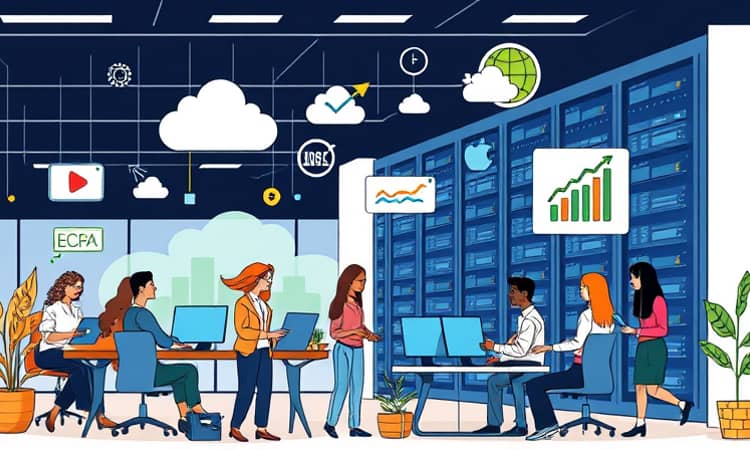
In 2026, businesses and individuals alike navigate a landscape shaped by inflation, rising tariffs, and accelerating digital demands. According to recent surveys, 56% of CFOs prioritize cost optimization while still funding strategic growth. This article chronicles a range of practical strategies for personal, small business, and enterprise cost savings without sacrificing quality or innovation.
Setting the Stage: The 2026 Imperative
The global economy in 2026 is defined by tighter budgets, unpredictable supply chains, and an urgent need for digital transformation. Gartner reports that cloud spending now represents 65.9% of all application software budgets, while unused software licenses continue to burden organizations.
Against this backdrop, companies that adopt balanced growth and expense management enjoy a 15–20% advantage over competitors who neglect optimization. Meanwhile, personal consumers are embracing deliberate mindful spending habits to protect household finances from inflation and rising tariffs on everyday goods.
IT and Technology Cost-Cutting Strategies
IT and technology costs often consume the largest share of enterprise budgets. By taking a structured approach, organizations can achieve savings of up to 30% while maintaining performance and security.
- Streamline operations: Automate repetitive operational tasks such as network monitoring and routine software deployments to reduce manual workload.
- Adopt cloud computing: Leverage the shift to cloud platforms to lower capital expenses, increase scalability, and pay only for what you use.
- Optimize software and hardware: Audit all SaaS licenses, eliminate shadow IT, and negotiate tiered pricing for underutilized applications.
- Centralize resource control: Implement IT asset management tools to track lifecycles, reclaim idle servers, and enforce governance policies.
- Vendor consolidation and negotiation: Reduce the number of suppliers, bundle contracts, and push for volume discounts and flexible terms.
- Outsource specialized services: Tap into managed services and offshore expertise to access skills at lower costs and avoid full-time hiring.
Small Business and Operational Savings
For small and mid-sized enterprises, profitability hinges on lean operations and efficient cash flows. Targeting bloat and recurring expenses can yield immediate wins.
- Conduct monthly expense audits to identify and cancel unneeded subscriptions and services.
- Automate payroll, invoicing, and reminders to free staff for revenue-generating tasks.
- Negotiate with utility providers, internet carriers, and software vendors for promotional rates and long-term contracts.
- Implement automated billing systems and ACH payments to accelerate receivables and reduce transaction fees.
- Consolidate software platforms into unified suites for billing, scheduling, and customer management.
- Focus on customer retention strategies—loyal clients cost less than new ones—through improved onboarding and membership programs.
Marketing and Growth-Aligned Cuts
Effective marketing does not require extravagant budgets. By refocusing efforts on high-ROI channels, organizations can sustain growth while trimming costs.
- Prioritize organic tactics: short-form videos, repurposed blog posts, and email and SMS lists that drive engagement at minimal cost.
- Leverage referral programs and customer advocacy to generate word-of-mouth leads.
- Redeploy savings into strategic experiments—such as AI-driven personalization and niche influencer partnerships—to uncover new channels.
- Track campaign performance rigorously and reallocate spend away from underperforming ads to top-converting efforts.
Cross-Cutting Themes and Pro Tips
Whether you manage an enterprise or a home budget, certain principles apply universally. Focus on enterprise-wide cost optimization while balancing growth to build resilience without stalling innovation.
Automation and continuous auditing uncover hidden waste, while a culture of cost-awareness ensures every team member contributes to savings goals. Invest in leverage existing IT assets for savings—from underused servers to dormant SaaS subscriptions—to unlock rapid returns.
Avoid one-time deep cuts that undermine long-term growth. Instead, channel cost savings into value-adding initiatives: new product development, staff training, and sustainability projects. By doing so, your organization remains agile and competitive.
Conclusion
In 2026, the most successful entities are those that master the art of cost management without losing sight of strategic growth. Through a combination of technology optimization, lean operations, and targeted marketing, you can achieve unused software licenses burning cash no longer, and embrace an era of sustainable prosperity.
Start your own cost-cutting chronicle today: audit your spending, automate repetitive tasks, and negotiate smarter contracts. In doing so, you’ll position yourself for resilience, innovation, and enduring success.