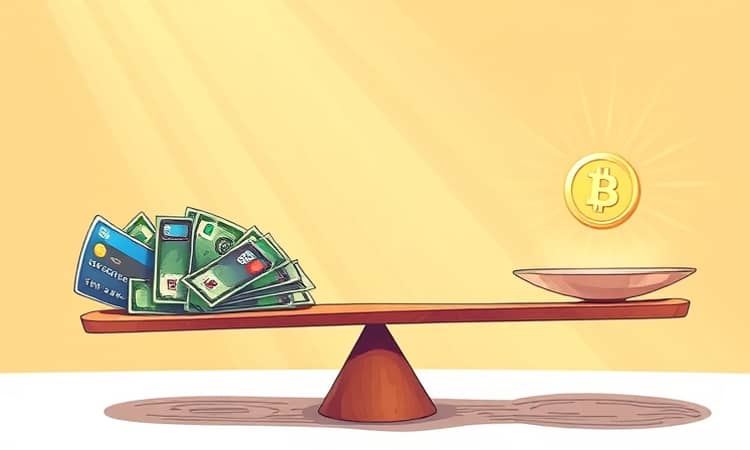
Americans are navigating an unprecedented credit card debt crisis. With totals soaring to $1.277 trillion in Q4 2025, many feel trapped under the weight of high-interest rates and multiple monthly payments. Amid this pressure, single payment each month emerges as a powerful solution to regain control over personal finances and mental well-being.
By simplifying your debt strategy, you can turn chaos into clarity. This article explores the current landscape, breaks down the benefits of consolidation, and offers actionable steps to achieve a fresh financial start.
Understanding the Debt Landscape
Credit card balances have jumped by 66% since early 2021, and average APRs exceed 20%. Nearly half of all cardholders carry a balance, and 22% believe they may never pay it off. Consumers in high-debt states like Connecticut, New Jersey, and Maryland face the biggest challenges.
Yet, there is hope. Personal loan originations reached a record 7.2 million in Q3 2025, with more than half used for debt consolidation. This trend highlights the growing awareness of structured repayment plans as a path to financial freedom.
Key Benefits of Debt Consolidation
Debt consolidation offers more than just mathematical simplicity; it can transform how you manage money and stress. Consider these top advantages:
- Payment Simplification: Replace multiple bills with a single payment each month.
- Lower Monthly Costs: Extend terms to lower your monthly payment burden.
- Reduced Interest: Lock in a fixed interest rate for entire term, saving hundreds or thousands over time.
- Credit Score Boost: Paying off cards frees up available credit and reduce credit utilization and improve scores.
- Better Budget Control: Achieve more effective budgeting and financial planning with a clear payoff schedule.
Choosing the Right Consolidation Strategy
Consolidation typically takes the form of personal loans or balance-transfer credit cards. Personal loans are the most common choice, offering predictable payments and rates often below 20%. Balance transfers can be effective if you qualify for an introductory 0% APR period, but watch out for transfer fees and rate hikes once the promotion ends.
Other options include home equity lines of credit (HELOCs) or debt-management plans through credit counseling agencies. Each path has trade-offs in cost, risk, and qualification requirements. Evaluate your credit score, income stability, and financial goals before deciding.
Steps to Effective Debt Consolidation
Follow these steps to ensure your consolidation plan delivers relief rather than fresh headaches:
- Assess All Debts: List balances, rates, and due dates. Knowing exactly what you owe is the first step to planning.
- Check Your Credit Score: Higher scores unlock better loan terms. Order a free report and dispute any errors.
- Compare Offers: Shop for personal loans, balance-transfer cards, or HELOCs. Focus on APR, fees, and repayment terms.
- Apply for the Best Option: Submit your application online or through your bank. Use proceeds immediately to pay off high-interest accounts.
- Set Up Auto-Pay: Automate your monthly payment to avoid late fees and stay on track toward debt freedom.
Maintaining Progress and Avoiding Pitfalls
Consolidation is not a cure-all; it requires discipline. Once you’ve secured a lower-rate loan, resist the temptation to rack up new credit card balances. Consider freezing or closing paid-off accounts to remove the temptation altogether.
Build an emergency fund of at least $1,000 to cover unforeseen expenses without falling back on high-interest cards. Review your budget monthly to track progress and adjust spending as needed.
Real-Life Success Stories
Take Sarah, who consolidated $25,000 of credit card debt into a 5-year personal loan with a 12% fixed rate. She cut her interest costs by $4,600 and now makes one simple payment of $556 each month. Meanwhile, Carlos used a 0% APR balance-transfer card to move $15,000 in debt, paying it off in 18 months and saving nearly $2,000 in interest.
Their journeys show that with a clear plan and steadfast commitment, consolidation can be a catalyst for financial transformation.
Empowering Your Financial Future
Consolidation is more than a transaction; it’s a mindset shift from scattered obligations to unified purpose. By harnessing the power of simplify budgeting and planning and disciplined repayment, you can break free from the cycle of revolving credit.
Imagine the relief of crossing off one payment instead of juggling many. Picture the pride of watching your debt balance decline each month. That vision can become your reality.
Conclusion
If you’re ready to reclaim control, start today. Review your debts, explore consolidation options, and commit to a plan. With each payment, you move closer to a life unburdened by high interest and multiple due dates.
Your financial peace of mind is within reach. One decision to consolidate can set you on a path toward freedom, resilience, and a brighter future.