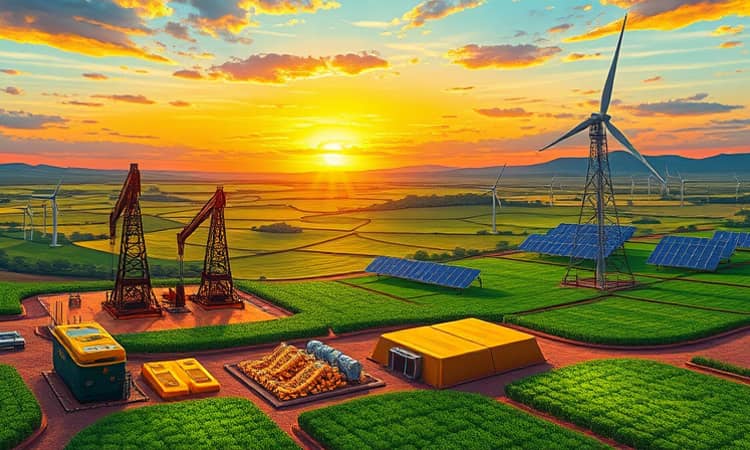
Entering 2026, the global commodities landscape presents a mix of challenge and opportunity. After years of volatile swings, markets have stabilized around key structural themes. From metals driving the energy transition to agricultural staples feeding growing populations, raw materials underpin the world’s economic machinery. In this evolving environment, investors and businesses must navigate shifting supply dynamics, geopolitical uncertainties, and transformative technological adoption to secure real returns.
Market Performance and Price Forecasts
Commodities began the year with strong momentum across metals and energy, buoyed by an 11% rise in Westpac’s broad index since December. Precious metals, led by gold, outperformed as central banks and private investors sought safe havens amid geopolitical tensions. Despite this surge, consensus forecasts point to a 7% decline in overall commodity prices by year-end, driven by easing energy and agricultural costs underpinned by favorable supply conditions.
However, not all segments move in lockstep. Precious metals are expected to climb by 5%, reflecting ongoing investment demand and policy support. Meanwhile, base metals and energy face headwinds from projected surpluses and moderating demand growth, though structural drivers promise pockets of strength.
This divergent outlook underscores the importance of targeted strategies, balancing defensive positions in gold and niche exposures in growth metals and energy transition inputs.
Energy Markets
Global oil and gas markets face a surplus in early 2026, as non–OPEC+ supply outpaces demand. Prices may soften through the first half of the year, but a controlled OPEC+ response and robust end-use consumption could spark a recovery in the latter months. At the same time, the electric vehicle revolution and efficiency gains are exerting downward pressure on long-term oil demand growth.
Yet the shift toward electrification brings structural transformations like the energy transition, generating new demand for metals and infrastructure components. Renewable energy systems, grid upgrades, and battery manufacturing will require sustained raw material inputs, providing alternative avenues for investment within the energy complex.
Metals and Base Commodities
Base metals such as copper and aluminum remain supported by supply constraints and green energy policies. Copper, in particular, faces mounting deficits as mining expansions lag behind burgeoning demand from power grids, EV charging networks, and electronics manufacturing. Iron ore, however, confronts excess supply and cooling steel output, leading to price dips below US$100 per tonne in early 2026.
Meanwhile, gold continues its ascent as a hedge against inflation and geopolitical risk. Central bank buying, large fiscal deficits, and low real interest rates all bolster bullion’s appeal, making it the standout performer in the commodities universe.
Battery Raw Materials
Renewable mobility drives intense competition for lithium and cobalt, though market dynamics differ. Lithium supply cuts and plant outages have restored balance, with forecasts pointing to small surpluses in 2026–2027. Demand from energy storage systems and EVs keeps the market tight, but new mine projects may ease pressures.
Cobalt pricing has doubled amid supply bottlenecks in the Democratic Republic of Congo. Continued volatility could prompt automakers to accelerate shifts toward low-cobalt or cobalt-free chemistries, altering raw material demand profiles.
Agricultural Commodities
After early-decade volatility, grain and oilseed markets have stabilized thanks to abundant harvests and improved logistics. Wheat and corn inventories remain ample, leading to modest price declines in 2025. Fertilizer costs, however, persist at elevated levels, representing a key swing factor for farm profitability.
Long-term demand for food staples continues to rise, driven by population growth and rising incomes in emerging markets. New applications—such as biofuel production and plant-based proteins—offer growth opportunities for crop producers, even as prices hover at comfortable levels.
Structural Trends Driving Growth
Amid cyclical fluctuations, several fundamental forces shape the 2026 commodities outlook. Policy commitments and corporate pledges are channeling record capital into clean energy projects, while emerging economies press ahead with industrialization and urbanization. These shifts have created sustained demand for a broad slate of raw materials.
- unprecedented capital deployment in clean technologies, fueling renewable energy and grid upgrades
- Rapid urbanization and infrastructure expansion in Asia and Africa
- global demand for raw materials driven by technological innovation and economic development
Macroeconomic Headwinds and Strategic Responses
While structural tailwinds persist, global GDP growth is forecast to ease under tariff pressures and cooling consumer spending. Trade tensions, sanctions shifts, and logistical challenges continue to strain supply chains, prompting firms to adopt proactive measures to secure inputs.
- Diversifying suppliers and securing long-term contracts through sustainable procurement is becoming increasingly important
- Investing in AI and machine learning for supply chain technology to predict demand and optimize inventory
- Adopting circular economy principles, including recycling and reuse of critical materials
- Nearshoring production and embracing “in-market for market” strategies to reduce tariff exposure
Trade Policy Impacts
Recent tariff implementations on apparel, appliances, and food products underscore the lasting cost implications for global supply chains. Brands face elevated duties that have become a permanent component of sourcing expenses, compelling them to restructure production footprints and reformulate products.
- Apparel and footwear: 25% tariffs driving nearshoring or higher consumer prices
- Household appliances: 20% duties complicating procurement and inventory planning
- Packaged foods and beverages: 10–15% tariffs prompting supplier diversification
Conclusion
As 2026 unfolds, commodity markets stand at the intersection of cyclical correction and secular transformation. Defensive positions in gold and targeted exposures to energy transition metals can coexist within diversified portfolios. Agribusinesses may leverage stable crop prices and rising volumes, while industrial players refine sourcing strategies to mitigate geopolitical risks.
By embracing both innovation and resilience—through strategic procurement, technological integration, and sustainable practices—stakeholders can capture real returns from raw materials in a rapidly evolving global economy.