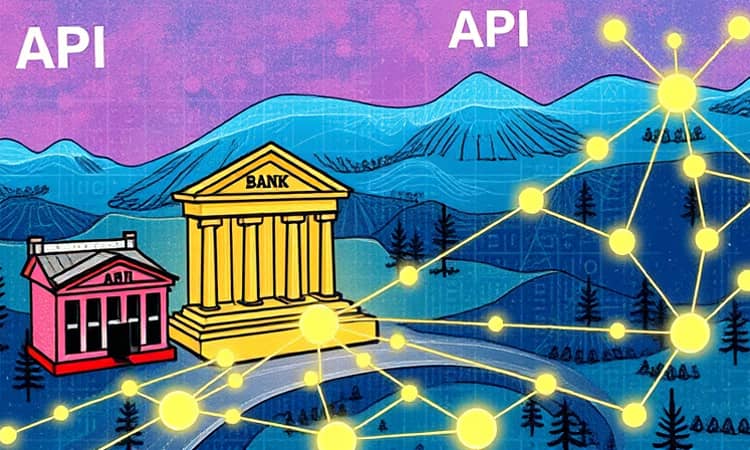
In an era defined by digital transformation, APIs have emerged as the critical bridge enabling convergence between traditional finance and the burgeoning crypto ecosystem. Far beyond mere technical connectors, APIs now underpin a new paradigm in which real-world assets are tokenized, compliance workflows are automated, and institutions can seamlessly tap into decentralized markets. As we navigate 2026, the API revolution is reshaping every aspect of global finance.
From the bustling trading floors of legacy banks to the decentralized protocols driving DeFi growth, APIs facilitate real-time data feeds and unified interfaces that bring unprecedented efficiency. This article explores the forces propelling TradFi and crypto integration, examines the diverse API categories fueling innovation, reviews market projections, and outlines practical steps for businesses eager to join this transformative journey.
Convergence Trends Driving TradFi-Crypto Integration
Several powerful trends are converging in 2026 to accelerate the fusion of traditional finance and crypto markets. Together, they form a fertile ground for API-driven solutions that redefine asset ownership, compliance, and trading infrastructure on a global scale.
- RWA Tokenization: Tokenizing real-world assets on blockchain removes legacy inefficiencies. In 2025, stablecoin transactions reached $46 trillion, rivaling Visa and PayPal volumes, and 2026 sees institutional consensus embrace on-chain assets.
- Institutional Adoption and M&A: Major banks like JPMorgan Chase and HSBC, and fintech leaders such as Stripe, have embedded crypto offerings, shifting portfolio strategies and governance models toward API-centric architectures.
- AI-Enhanced Compliance and AML: Artificial intelligence now standardizes on- and off-chain data, with solutions like Elliptic screening over 200 million AML checks monthly, addressing a critical talent shortage.
- Open Finance Evolution: Open banking evolves into open finance, leveraging productized APIs for seamless integration of payments, identity services, and embedded insurance solutions powered by AI agents.
- Prediction Markets Influence: The NYSE’s integration of prediction markets in 2026 heralds a new era of decentralized forecasting tools within traditional trading platforms.
The Pivotal Role of APIs as Connective Tissue
APIs have transcended their original role as simple data endpoints to become the foundation for financial interoperability. By abstracting complexities and providing standardized interfaces, they enable developers to integrate diverse systems rapidly, whether for trading, compliance, or analytics.
From RESTful protocols deployable in days to persistent WebSocket connections that deliver sub-millisecond market updates, APIs power everything from automated arbitrage bots to institutional-grade risk management dashboards. As crypto matures into a core asset class, treating digital tokens alongside stocks, bonds, and foreign exchange, APIs ensure a unified operational backbone.
API Categories Fueling Integration
Market Projections and Impact
Analysts forecast an $85.75 billion global crypto exchange market by 2026, dominated by centralized platforms, with projections surging to $314 billion by 2033. North America alone commands 37.2 percent of this landscape, driven by stringent compliance and tax-reporting endpoints.
- Stablecoin volume hit $46 trillion in 2025
- Elliptic conducts over 200 million AML screenings monthly
- Pyth Pro achieved $1 million ARR in its first month with 80+ subscribers
- API-driven open finance is recognized as a leading revenue engine across fintech sectors
Addressing Challenges and Shaping the Future
Despite rapid progress, the path to seamless integration is strewn with challenges. Talent shortages in compliance demand enhanced training and oversight, even as AI solutions automate routine tasks. Security risks loom in shared API ecosystems, calling for multi-factor authentication and decentralized identity standards.
Regulatory bodies must converge on on-chain standards for asset tokenization to unlock full institutional engagement. Meanwhile, infrastructure will continue shifting from siloed designs toward AI-first, cloud-native architectures, ensuring scalability and resilience.
Practical Steps for Implementation
Organizations seeking to harness the API revolution should adopt a deliberate, staged approach:
- Evaluate provider documentation and sandbox environments for ease of integration.
- Benchmark latency and throughput using both REST and WebSocket endpoints.
- Implement adaptive authentication and encrypted communication to mitigate vulnerabilities.
- Integrate compliance and AML modules early, leveraging AI-enhanced screening tools.
- Monitor usage and costs via tiered pricing plans, optimizing request volumes and performance.
By following these guidelines, teams can reduce time-to-market, maintain robust risk controls, and scale operations as new financial products emerge.
Conclusion: A Unified Financial Ecosystem
The convergence of traditional finance and crypto markets hinges on the transformative power of APIs. Acting as both connectors and enablers, they dissolve barriers between legacy institutions and decentralized protocols, ushering in a future where assets, data, and services flow seamlessly across digital rails.
Embracing this API-driven architecture is not merely a technological choice but a strategic imperative for organizations that aim to thrive in the next phase of financial evolution. As we look beyond 2026, the vision of a truly unified financial ecosystem—powered by innovation, transparency, and interoperability—draws ever closer, promising unprecedented opportunities for growth and inclusion.