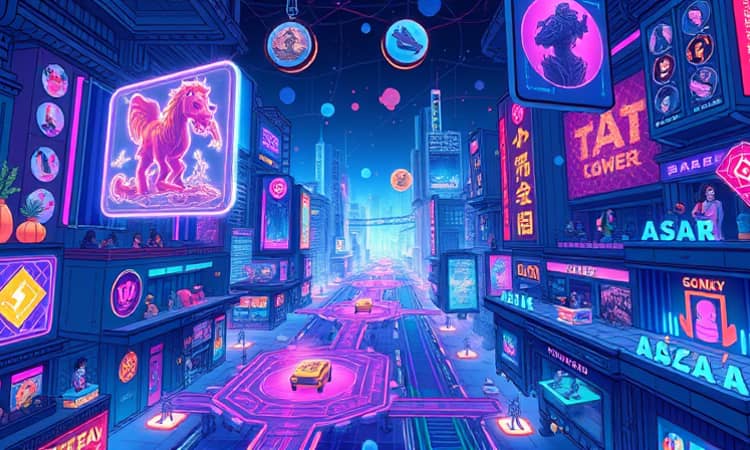
The digital collectibles ecosystem is undergoing a remarkable transformation, expanding far beyond the initial frenzy around NFTs. What began as a niche market for digital art has matured into a sprawling industry that encompasses gaming items, virtual real estate, avatar accessories, and more. With market valuations projected to skyrocket from $6.5 billion in 2024 to as much as $26.3 billion by 2032, collectors and investors alike are witnessing unprecedented growth in virtual goods that blend technology, culture, and finance.
Understanding the Evolution of Digital Collectibles
Digital collectibles refer to unique, non-physical assets—ranging from artwork and music clips to in-game items and virtual land—whose ownership and provenance are typically secured via blockchain technology. These assets, often issued as NFTs, offer blockchain verification and scarcity, ensuring authenticity and enabling secure trading on secondary markets.
Over time, the concept has broadened. Non-NFT digital collectibles, such as branded memorabilia or platform-specific rewards, thrive on limited availability and nostalgia but lack the transparent verification that blockchain offers. As the industry evolves, the lines between NFT-based and traditional virtual goods are blurring, paving the way for integrated experiences involving online authentication, virtual exhibitions, and cross-platform ownership.
Key Drivers Fueling Market Growth
A confluence of technological, economic, and cultural factors is propelling the digital collectibles market to new heights. Understanding these drivers provides valuable insights for creators, platforms, and collectors.
- Enhanced transparency and fraud reduction through widespread blockchain adoption.
- Surging interest in art and gaming NFTs, allowing artists and developers to monetize creatively.
- Rapid advancements in scalability, security, and immersive tech like VR/AR.
- A shift toward unique digital identity expression and interactive virtual experiences.
- Growing disposable income and e-commerce adoption, fueling nostalgia-driven purchases.
- Engagement of younger demographics via community incentives and gamification.
Market Projections and Segments
The digital collectibles market is on track for robust expansion. Alternative projections suggest it could reach $50 billion by 2033 at a 15% CAGR, driven by increasing blockchain integration and mainstream adoption of NFTs in art, sports, and entertainment sectors.
Beyond pure digital assets, the broader collectibles market—encompassing physical items—expects growth from $321.24 billion in 2025 to $467.31 billion by 2032. Virtual goods within gaming and social media are forecasted to surge from $101.4 billion in 2025 to $443.5 billion by 2035.
Regional Insights
Geography plays a critical role in adoption rates and market dynamics. North America leads with established NFT platforms and active communities, while Europe shows strong growth in art and music NFTs. Asia Pacific, buoyed by large middle-class populations and tech-savvy users, is expected to record the highest compound annual growth.
Opportunities and Emerging Trends
As digital collectibles enter their next phase, numerous opportunities await innovators, brands, and collectors:
- Expansion into the metaverse: virtual real estate and immersive environments.
- Integration of physical assets with NFT-backed authentication and provenance tracking.
- Collaborations between major brands and digital creators for limited editions.
- Greater community engagement through gamified collecting experiences.
Overcoming Challenges and Threats
Despite the optimism, the industry faces hurdles that require careful navigation. Digital reproduction risks counterfeits, regulatory frameworks are still forming, and the liquidity of rare assets can be uncertain. Additionally, platform-dependent collectibles without blockchain underpinning often struggle with secondary trading and long-term retention of value.
- Mitigating forgery and verifying authenticity across platforms.
- Navigating evolving regulations to protect consumers.
- Ensuring provenance and liquidity in digital marketplaces.
- Reducing dependence on single-platform ecosystems.
Looking Ahead: The Future of Collecting
The future promises a seamless fusion of physical and digital realms. As regulatory clarity emerges and technologies like VR and AR become mainstream, digital collectibles will unlock immersive VR and AR experiences that blur the line between reality and the virtual world. Investors and enthusiasts will drive a new era where community governance, fractional ownership, and cross-platform interoperability redefine what it means to collect.
Ultimately, the journey of digital collectibles is a testament to human creativity and the power of innovation. Whether you are a seasoned investor, a creative professional, or a curious enthusiast, now is the moment to engage, explore, and shape the future of collecting in a world where digital assets hold boundless potential.